
Introduction
Heartworm disease is a serious parasitic condition that can affect cats. It is spread through the bite of an infected mosquito, which means indoor cats can also be exposed because mosquitoes may enter homes. Although heartworm disease is less common in cats than in dogs , even a small number of worms can cause serious health problems.
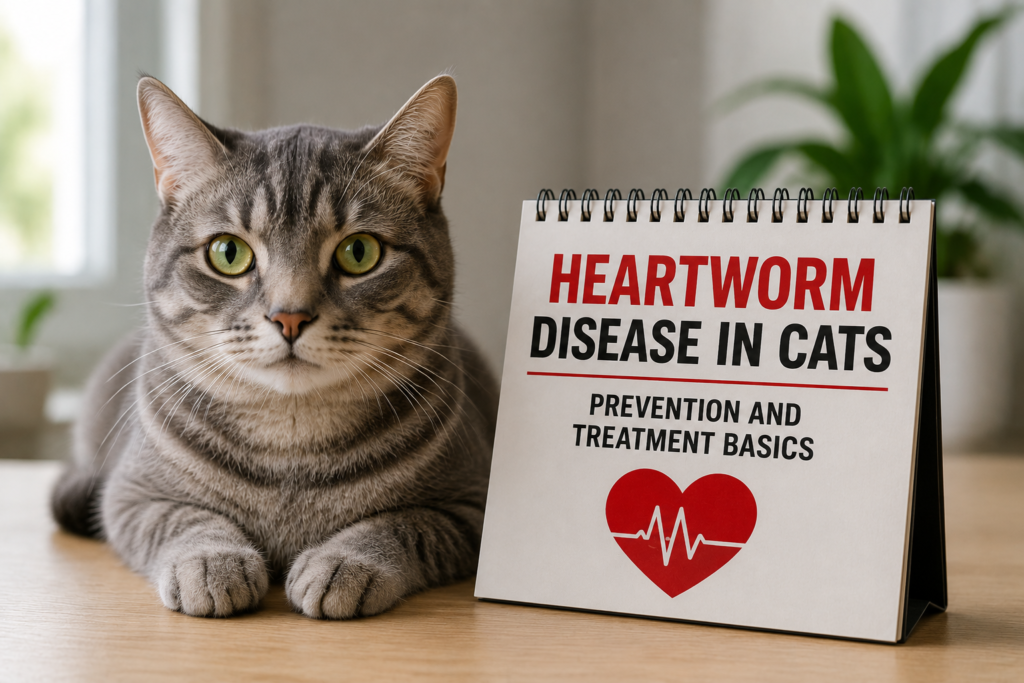
Prevention is an important part of protecting cats because treating heartworm disease in cats can be difficult. Understanding how the disease spreads, recognizing possible warning signs, and discussing prevention with a veterinarian can help pet owners make informed decisions about their cat’s care.
What Is Heartworm Disease?
Heartworm disease is caused by parasitic worms that are transmitted through mosquitoes. An infected mosquito can pass immature heartworms to an animal when it bites.
The worms develop inside the animal’s body and can eventually affect important organs, including the heart and lungs. Cats react differently to heartworm infection than dogs, and even a small number of worms can potentially cause serious complications.
How Do Cats Get Heartworms?
Cats do not catch heartworms directly from another cat. The disease requires mosquitoes to spread the parasite from one animal to another.
Mosquito Bite: An infected mosquito bites a cat and transmits immature heartworms.
Development: The parasites continue developing inside the cat’s body.
Organ Effects: As the infection progresses, heartworms can affect the heart, lungs, and surrounding blood vessels.
Can Indoor Cats Get Heartworms?
Yes, indoor cats can potentially be exposed to heartworm disease. Mosquitoes can enter houses through open doors, windows, and other openings.
The risk of exposure depends on the location and mosquito activity in the area. Pet owners should not assume that an indoor lifestyle completely removes the possibility of heartworm infection.
Common Symptoms of Heartworm Disease in Cats
Some cats with heartworm infection may show few or no obvious symptoms. Others can develop signs that affect breathing and general health.
Coughing: A persistent or unusual cough may occur.
Breathing Problems: Some cats may develop rapid or difficult breathing.
Vomiting: Repeated or unexplained vomiting can sometimes be associated with heartworm disease.
Reduced Energy: Your cat may become less active or appear unusually tired.
Why Heartworm Disease Can Be Serious
Heartworms can cause significant damage to the lungs and other parts of the body. In cats, even a small number of worms can create serious health problems because of the animal’s smaller body size and the way feline lungs respond to infection.
Some cases may develop suddenly, making prevention especially important. Any cat with breathing difficulties, weakness, or sudden collapse requires immediate veterinary attention.
How Veterinarians Diagnose Heartworm Disease
Diagnosing heartworm disease in cats can be challenging. A veterinarian may use a combination of medical history, physical examination, blood tests, imaging, and other diagnostic procedures.
No single test always provides the complete answer in every case. The veterinarian may combine several types of information to determine whether heartworm infection is likely and how it may be affecting the cat.
Heartworm Prevention for Cats
Preventive medication can help protect cats from heartworm infection. Different preventive products may be available, and the best choice depends on your cat’s age, health, lifestyle, and local risk.
Use Veterinary-Recommended Prevention: Ask your veterinarian which preventive option is appropriate for your cat.
Follow the Schedule Carefully: Prevention must be given according to the product instructions and veterinary guidance.
Do Not Skip Protection Without Advice: Regular prevention can be important in areas where mosquitoes and heartworm disease are present.
Is There a Treatment for Heartworms in Cats?
Managing heartworm disease in cats can be complicated. The approach depends on the individual cat, the severity of the disease, and the risks associated with treatment.
Unlike the treatment approach commonly used for dogs, there is no simple standard medication that safely eliminates adult heartworms in cats. A veterinarian may focus on monitoring, managing symptoms, and providing supportive care based on the individual case.
Reducing Mosquito Exposure
Reducing mosquitoes around the home may provide an additional layer of protection, but it does not replace appropriate heartworm prevention.
Keep your home environment clean and reduce standing water around the property when possible because mosquitoes can breed in water. Use caution with insect-control products, as some chemicals may be unsafe for cats.
When Should You Contact a Veterinarian?
Contact a veterinarian if your cat develops unexplained coughing, breathing changes, repeated vomiting, weakness, or reduced activity. These symptoms can have many possible causes, so professional examination is important.
Seek emergency veterinary care if your cat has severe breathing difficulty, sudden collapse, or appears to be in serious distress. Do not wait to see whether severe respiratory symptoms improve on their own.
Importance of Regular Veterinary Care
Regular veterinary visits allow pet owners to discuss parasite prevention and changes in local health risks. Your veterinarian can consider your cat’s lifestyle and recommend an appropriate prevention plan.
Even cats that live mainly indoors can benefit from discussing heartworm prevention because mosquito exposure can still occur. Prevention decisions should be based on veterinary advice and the risks in your area.
People Also Ask (PAA)
Can cats get heartworms?
Yes. Cats can become infected with heartworms through the bite of an infected mosquito.
Can indoor cats get heartworm disease?
Yes. Indoor cats can still be bitten by mosquitoes that enter the home.
What are the symptoms of heartworm disease in cats?
Possible symptoms include coughing, breathing problems, vomiting, reduced activity, and weakness. Some cats may show few obvious signs.
Is heartworm disease dangerous for cats?
Yes. Heartworm disease can cause serious lung and heart-related problems, and even a small number of worms may cause significant complications in cats.
Can heartworm disease be prevented?
Veterinary-recommended preventive medications can help protect cats from heartworm infection.
Is there a cure for heartworms in cats?
Managing heartworm disease in cats can be difficult because treatment options are limited. A veterinarian will determine the safest approach based on the individual cat.
Do cats need heartworm prevention every month?
The schedule depends on the specific preventive product and your veterinarian’s recommendation. Follow the instructions for the product prescribed for your cat.
Frequently Asked Questions
1. Can I use dog heartworm medicine for my cat?
No. Do not use medication intended for dogs unless a veterinarian specifically instructs you to do so. Products and doses can differ significantly.
2. How do heartworms spread between animals?
Heartworms are spread through mosquitoes. Cats do not directly pass heartworms to other cats through normal contact.
3. Are heartworms contagious?
Heartworms are not directly contagious through touching, sharing food, or living together. A mosquito is required to transmit the parasite.
4. Can heartworm prevention be used for indoor cats?
Depending on local risk and the individual cat, a veterinarian may recommend prevention for indoor cats as well.
5. What should I do if my cat misses a preventive dose?
Contact your veterinarian for advice. The correct next step can depend on the product used, the timing of the missed dose, and your cat’s situation.
Conclusion
Heartworm disease is a serious condition that cats can develop after being bitten by an infected mosquito. Indoor cats are not completely protected because mosquitoes can enter homes and expose them to infection.
Because managing heartworm disease in cats can be difficult, prevention is an important part of feline healthcare. Regular veterinary guidance, appropriate preventive medication, and attention to possible symptoms can help owners protect their cats and respond quickly when health concerns arise.