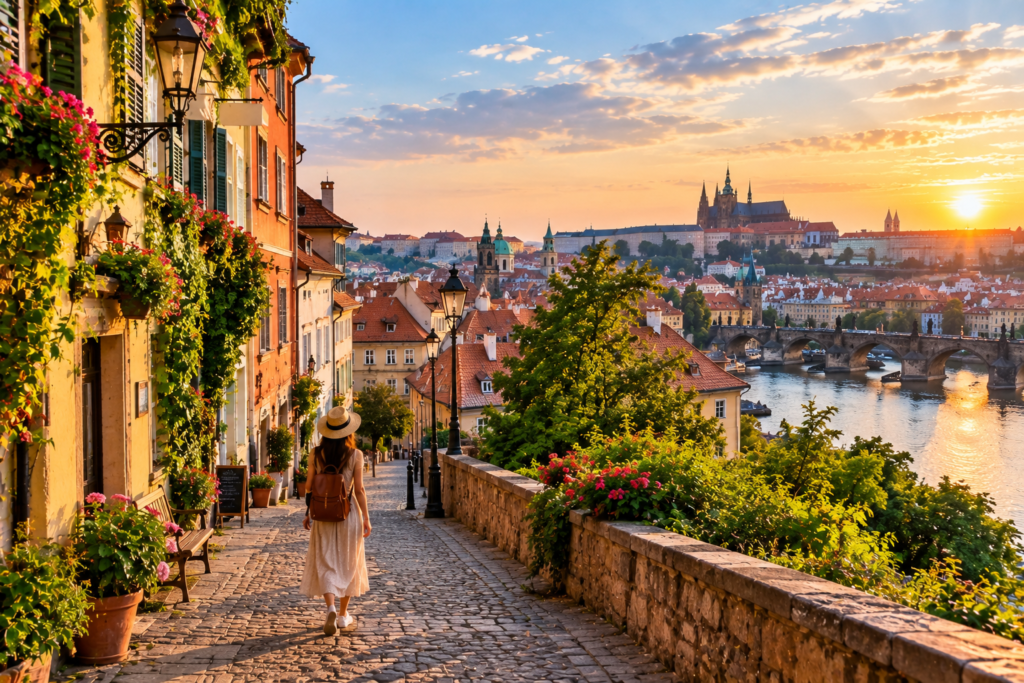

There are cities where the easiest way to understand a place is not from the window of a tour bus or through a long list of scheduled attractions, but simply by walking. Some destinations reveal their character one street at a time, with historic buildings, local cafés, public squares, markets, waterfronts, and small neighborhoods appearing naturally as you move through them. For travelers who enjoy discovering details at their own pace, a walkable city can turn an ordinary vacation into a much more memorable experience.
Walking also changes the way you experience a destination. Instead of moving directly from one famous attraction to another, you notice the bakery opening in the morning, musicians performing in a square, colorful doors on old buildings, neighborhood restaurants, small bookstores, and viewpoints that may never appear in a standard itinerary. The following cities offer especially rewarding environments for travelers who want to explore on foot while enjoying history, culture, architecture, food, and local atmosphere.
Why Walking Can Be the Best Way to Explore a City
Walking gives travelers a closer connection to the places they visit. Public transportation is useful for covering long distances, but it can sometimes make a destination feel like a collection of separate stops. When you walk between those places, the spaces in between become part of the journey. A short route through an old neighborhood can reveal just as much personality as a major attraction.
There is also more freedom when exploring on foot. You can stop whenever something catches your attention, change direction when you see an interesting street, or spend extra time in a café without worrying about a fixed departure time. For travelers who enjoy photography, architecture, food, and spontaneous discoveries, walking creates opportunities that a tightly scheduled tour may not provide.
What Makes a City Great for Walking?
A walkable destination is about more than having sidewalks. The best cities for exploring on foot usually combine compact attractions, interesting neighborhoods, pedestrian-friendly streets, and plenty of places where travelers can pause along the way. A city can be large and still offer excellent walking experiences if its most interesting areas are connected naturally.
Compact historic districts: Older central areas often place landmarks, restaurants, markets, and public squares within comfortable walking distance.
Interesting streets: Beautiful architecture and distinctive neighborhoods make the journey between attractions enjoyable instead of feeling like wasted time.
Pedestrian areas: Car-free streets and plazas create a more relaxed environment where travelers can explore without constantly watching traffic.
Places to stop: Cafés, parks, viewpoints, markets, and small shops give walkers natural opportunities to rest.
Good public transportation: Even excellent walking cities sometimes require a train, tram, or bus when visiting areas farther from the center.
A city does not have to be completely car-free to be enjoyable on foot. What matters is whether travelers can comfortably spend several hours exploring without constantly depending on transportation. The twelve destinations below offer different versions of that experience, from Mediterranean streets to historic European neighborhoods and scenic waterfronts.
Florence, Italy: Art and History Around Every Corner
Florence is one of those cities where walking feels almost inseparable from the experience itself. Its historic center brings together Renaissance architecture, elegant squares, churches, bridges, markets, cafés, and museums within a relatively compact area. Travelers can move between major sights while continually encountering smaller details that make the city interesting.
A walking day in Florence can begin near a historic square and continue through narrow streets toward the Arno River. Crossing a famous bridge may lead to quieter neighborhoods, local restaurants, or small artisan shops. The city rewards travelers who avoid rushing because some of its most enjoyable moments happen between the major attractions.
Kyoto, Japan: Traditional Streets and Peaceful Neighborhoods
Kyoto offers a different kind of walking experience, with traditional architecture, temples, gardens, narrow lanes, and historic districts creating a distinctive atmosphere. Some areas can become busy, but walking away from the most crowded routes can reveal quieter streets and residential neighborhoods that provide a more relaxed impression of the city.
One of the pleasures of exploring Kyoto is noticing the contrast between old and modern Japan. A traditional wooden building may stand near a contemporary shop, while a quiet garden can exist only a short distance from a busy street. Travelers should give themselves enough time to explore rather than attempting to visit every famous temple in a single day.
Lisbon, Portugal: Hills, Viewpoints, and Colorful Streets
Lisbon is a city made for travelers who enjoy walking but do not mind a few hills. Its historic neighborhoods feature colorful buildings, tiled façades, narrow streets, viewpoints, small restaurants, and distinctive streetscapes. Walking through areas such as Alfama can feel very different from moving around the city by vehicle because the neighborhood unfolds gradually.
The hills can be demanding, so comfortable shoes are important. The effort is often rewarded by viewpoints overlooking rooftops and the river. Travelers can also use trams or other transportation for the steepest sections and then continue exploring on foot. This combination provides flexibility without removing the pleasure of walking.
Bruges, Belgium: A Medieval City Made for Wandering
Bruges is especially appealing to travelers who enjoy historic architecture and picturesque streets. Canals, stone buildings, small bridges, public squares, and narrow lanes create an environment where walking itself becomes a sightseeing activity. Many central attractions are close enough to combine naturally into a single route.
Rather than following a strict checklist, visitors can spend time moving between the main square and quieter canal-side streets. A short walk can provide completely different views of the same historic environment. Early morning and later evening can also offer a calmer atmosphere than the busiest part of the day.
Prague, Czech Republic: Historic Streets With a Dramatic Backdrop
Prague combines grand architecture with compact historic neighborhoods, making it an excellent destination for travelers who enjoy exploring on foot. The city’s old streets, bridges, squares, churches, and river views create a variety of scenery within a relatively manageable area.
A walking route can connect the Old Town with the river and continue toward other historic districts. Some sections involve hills or uneven surfaces, but this is part of what gives the city its changing viewpoints. Travelers who walk without rushing can discover courtyards, small cafés, local shops, and quieter streets away from the busiest tourist areas.
Seville, Spain: Orange Trees, Plazas, and Local Life
Seville offers a warmer and more relaxed style of walking, particularly in its historic neighborhoods. Streets lined with orange trees, traditional buildings, tiled courtyards, plazas, tapas restaurants, and shaded pathways create a strong sense of place.
Walking in Seville is particularly enjoyable when travelers allow time for breaks. Instead of trying to cover the entire city before lunch, visitors can explore one neighborhood, stop for food, continue toward another square, and finish the day in a relaxed public space. The slower approach fits naturally with the city’s social atmosphere.
Edinburgh, Scotland: Historic Streets and Unexpected Views
Edinburgh combines historic architecture with dramatic hills and viewpoints, giving walkers a destination that constantly changes elevation and perspective. The Old Town features narrow lanes, historic buildings, stairways, and streets that lead toward some impressive views across the city.
Walking between the Old Town and other central areas can reveal a fascinating mixture of historic and modern Edinburgh. Travelers should expect some steep sections, but the city’s compact central areas make it possible to explore many important locations without relying on a car. Comfortable footwear and weather-ready clothing are especially useful.
Copenhagen, Denmark: Pedestrian Streets and Waterfront Areas
Copenhagen is well suited to travelers who want a city where walking can be combined easily with cycling and public transportation. Central pedestrian areas, attractive squares, waterfront neighborhoods, cafés, and design-focused streets create plenty of reasons to explore slowly.
The city also makes it easy to take breaks during a walking day. A traveler might spend the morning exploring central streets, stop for lunch, continue toward a waterfront area, and finish the afternoon in a park. The relatively organized urban environment allows visitors to enjoy independent exploration without constantly worrying about complicated routes.
Dubrovnik, Croatia: Stone Streets Beside the Adriatic
Dubrovnik’s historic center is enclosed by impressive stone walls and filled with narrow streets, stairways, plazas, churches, and traditional buildings. Exploring the old city on foot allows travelers to appreciate the details of its architecture while enjoying views toward the Adriatic Sea.
The destination can become busy during popular travel periods, making timing important. Starting early can provide a more comfortable walking experience, particularly for travelers interested in photography. Once the main streets become busier, exploring nearby viewpoints or quieter areas can offer a different perspective.
Amsterdam, Netherlands: Canals, Neighborhoods, and Everyday Discoveries
Amsterdam is famous for its canals and distinctive architecture, but walking reveals much more than the postcard views. Different neighborhoods have their own atmosphere, with markets, cafés, parks, independent shops, and residential streets providing a broader understanding of the city.
Walking beside the canals can be especially enjoyable because the route itself becomes part of the sightseeing experience. Travelers should remain aware of bicycles, however, because cycling is a major part of everyday transportation in Amsterdam. Staying alert while crossing paths and streets makes exploring much more comfortable.
Québec City, Canada: Old-World Atmosphere in North America
Québec City provides a fascinating walking experience for travelers who want European-inspired architecture without crossing the Atlantic . The historic district features stone buildings, narrow streets, public squares, cafés, and fortifications that create a distinctive atmosphere.
The city is especially enjoyable during a relaxed walking itinerary because several historic areas connect naturally. Visitors can explore the old streets, stop for local food, discover viewpoints, and continue toward quieter sections. Seasonal weather can be significant, so travelers should prepare appropriately depending on when they visit.
Salzburg, Austria: Mountains, Music, and Historic Streets
Salzburg combines historic architecture with dramatic mountain scenery, making it an appealing destination for walkers who enjoy both culture and landscapes. The central area includes elegant squares, churches, traditional buildings, shops, and pathways along the river.
Walking through Salzburg can feel especially rewarding when the weather is clear and the surrounding mountains are visible. Travelers can explore the historic center before crossing the river and continuing through quieter neighborhoods. The city’s manageable central area means visitors can experience a lot without spending the entire day in transportation.
How to Plan a Walking Day Without Getting Exhausted
A walking vacation does not mean walking from sunrise until bedtime. The best experiences usually come from balancing exploration with regular breaks. Choose a few areas that are close together and build your day around them instead of attempting to cross the entire city repeatedly.
- Choose one main neighborhood: Begin with a central area and explore outward rather than jumping between distant attractions.
- Create a flexible route: Know your major stops but leave room for interesting streets and unexpected discoveries.
- Schedule food breaks: A local café or restaurant can become part of the experience rather than simply a place to refuel.
- Check the terrain: Hills and stairs can make a short distance much more demanding than expected.
- Use transportation strategically: Save your energy by using buses, trains, trams, or taxis for longer distances.
- Leave time for the evening: Some cities become especially attractive after daytime crowds begin to disappear.
A flexible route also helps prevent the common mistake of treating walking like a competition. You do not need to cover a certain number of miles every day. The goal is to experience the destination comfortably, not to return to your accommodation completely exhausted.
What to Carry When Exploring a City on Foot
A good walking day requires surprisingly little, but the items you carry can make a major difference. Heavy luggage or an oversized backpack quickly becomes uncomfortable, especially when streets are uneven or temperatures rise. A small day bag is generally more practical.
Comfortable footwear: Choose shoes that are already broken in rather than wearing a brand-new pair for a full day of sightseeing.
Water: Carry enough water for your route, particularly in warm-weather destinations or cities with significant hills.
Portable charger: Navigation, translation, tickets, and photography can use considerable phone battery.
Light outer layer: Weather can change during the day, particularly in coastal or northern destinations.
Small map or offline directions: A backup navigation option can be useful if your connection becomes unreliable.
Keeping your belongings simple allows you to move more freely. You can always return to your accommodation between different parts of the day instead of carrying everything with you from morning until night.
How to Discover Places Beyond the Famous Attractions
The easiest way to experience a city differently is to intentionally spend some time away from its most famous landmarks. After visiting one major attraction, choose a nearby street that looks interesting and follow it without immediately opening your navigation app. This can reveal restaurants, shops, architecture, and local spaces that are not part of the standard tourist route.
Local markets are another useful way to experience a destination. They provide opportunities to see everyday products, regional food, and local activity in one place. Travelers can also ask hotel staff or restaurant owners for neighborhood suggestions, particularly when looking for a quieter café, traditional meal, or scenic walking route.
When Is the Best Time for a Walking City Trip?
Spring and autumn can be particularly comfortable for walking because temperatures are often more moderate than during the hottest part of summer. These seasons can also provide changing scenery, especially in destinations with parks, gardens, or tree-lined streets.
Summer remains popular because of longer daylight hours, but travelers should consider starting earlier in warmer cities. Winter can provide a completely different atmosphere, especially in historic European destinations, although shorter days and colder conditions require more preparation. Ultimately, the right season depends on the destination and the type of experience you prefer.
Five Walking Mistakes Travelers Should Avoid
1. Wearing unsuitable shoes: Beautiful streets are not enjoyable when every step becomes uncomfortable.
2. Planning too many attractions: A packed schedule can turn walking into a stressful race.
3. Ignoring weather: Rain, heat, wind, or cold can change how manageable a route feels.
4. Carrying too much: A heavy bag becomes increasingly uncomfortable after several hours.
5. Forgetting to look around: Constantly following a phone map can cause you to miss the very details that make walking worthwhile.
A successful walking itinerary should feel flexible rather than restrictive. If you discover an interesting neighborhood, give yourself permission to spend more time there. If your feet are tired, stop for coffee or use public transportation. The ability to change plans is one of the biggest advantages of exploring independently.
Frequently Asked Questions
1. What makes a city suitable for walking?
A combination of compact attractions, pedestrian-friendly areas, interesting streets, accessible public spaces, and convenient transportation makes a city easier to explore on foot. The quality of the surroundings is just as important as the distance between attractions.
2. How many miles should I walk during a city vacation?
There is no ideal distance for everyone. Some travelers may enjoy several hours of walking, while others prefer shorter routes with frequent breaks. Focus on enjoying the destination rather than reaching a specific daily mileage.
3. Do I still need public transportation in a walkable city?
Often, yes. Public transportation can be useful when attractions are spread across different districts or when hills, heat, or distance make walking impractical. Using transportation strategically can actually make a walking-focused trip more enjoyable.
4. What shoes are best for a European walking vacation?
Comfortable shoes with good support are generally the most practical choice. Since cobblestones, stairs, hills, and uneven surfaces are common in historic districts, footwear should be comfortable for several hours of movement.
5. Is walking a good way to experience a city for the first time?
For many travelers, yes. Walking provides a direct view of architecture, neighborhoods, food, public spaces, and everyday life. Combining walking with public transportation can give first-time visitors both close-up exploration and efficient access to distant areas.
Conclusion
A walkable city can transform the way you experience a destination. Florence, Kyoto, Lisbon, Bruges, Prague, Seville, Edinburgh, Copenhagen, Dubrovnik, Amsterdam, Québec City, and Salzburg each offer different scenery and cultural experiences, but they share one important quality: travelers can discover much of their character simply by moving through their streets at a comfortable pace.
The most rewarding walking trips are not necessarily the ones where you cover the greatest distance. They are the ones where you have enough time to notice the small details, stop for local food, explore an unexpected street, rest when necessary, and change your plans when something interesting appears. Pack comfortable shoes, keep your schedule flexible, and let the city become part of the journey rather than simply a series of attractions to visit.