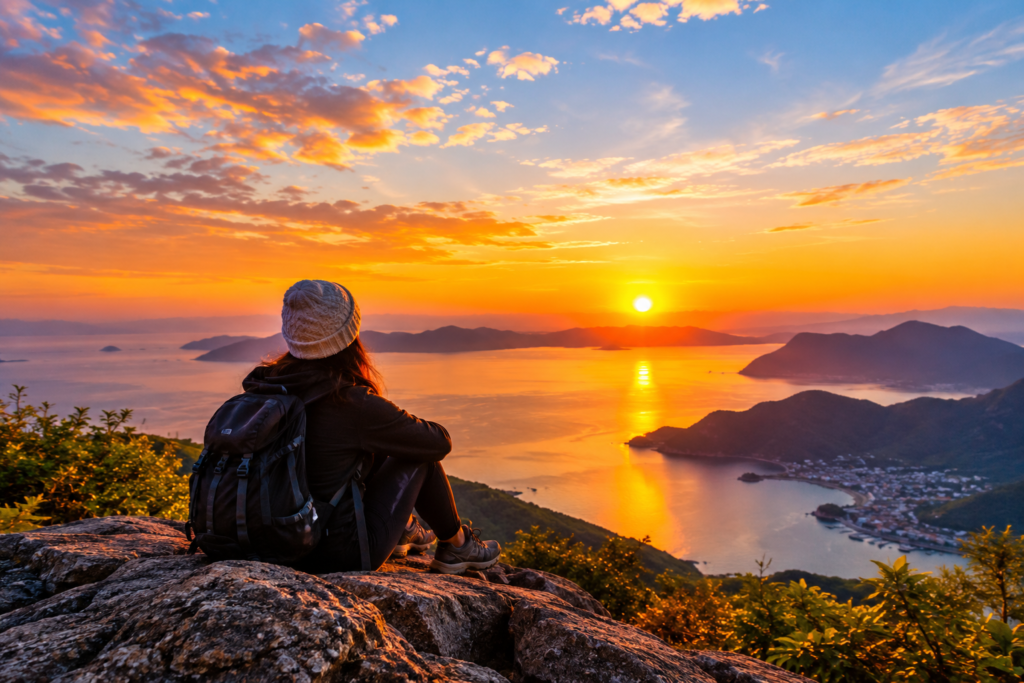

There are some travel experiences that become unforgettable simply because of the way a destination looks when a new day begins. Sunrise transforms familiar landscapes with soft colors, long shadows, glowing mountains, calm water, and quiet streets. For travelers willing to wake up early, the reward can be an experience that feels completely different from visiting the same place during the middle of the day.
From ancient temples and volcanic peaks to desert landscapes, tropical islands, national parks, and mountain valleys, the world offers countless places where sunrise becomes part of the destination itself. The best sunrise experiences are not always about finding the highest viewpoint or the most famous landmark. Sometimes the atmosphere, surrounding landscape, local culture, and peacefulness of the early morning are what make the memory stay with you.
Haleakalā, Maui, Hawaii
Watching the sunrise from Haleakalā is an experience unlike an ordinary beach morning. The summit rises more than 10,000 feet above sea level, creating a dramatic environment where the sun appears above a vast landscape of volcanic terrain and clouds. The National Park Service lists several sunrise viewing locations, including Puʻuʻulaʻula, the Haleakalā Visitor Center, Kalahaku, and Leleiwi.
The experience requires preparation because conditions at the summit can be dramatically colder and windier than they are near the coast. Visitors heading to the summit for sunrise need an advance reservation for the early-morning access period, and the National Park Service recommends arriving well before sunrise.
Angkor Wat, Cambodia
Few sunrise settings combine architecture and nature as effectively as Angkor Wat. Before the surrounding area becomes busy, the temple towers emerge gradually from the darkness as the sky changes from deep blue to shades of pink and orange. The reflection of the temple complex in the water can create a particularly striking scene.
The experience is about more than photography. Walking toward the temple before dawn, hearing the surroundings gradually come alive, and watching the first light reach the ancient structures creates a sense of anticipation that is difficult to reproduce later in the day. Recent travel coverage continues to highlight the quiet atmosphere and reflection pool as key parts of the experience.
Uluru, Australia
Uluru offers a completely different type of sunrise experience. Instead of watching the sun emerge over an ocean or city skyline, travelers can see early light gradually transform the enormous sandstone landscape of Australia’s Northern Territory.
The colors and shadows across the rock change as the sun rises, creating a constantly shifting scene. Uluru also has deep cultural significance for the Aṉangu people, so visitors should experience the landscape respectfully and remain within designated viewing areas. Recent travel coverage describes sunrise around Uluru as particularly memorable because of the combination of changing light, scale, and early-morning quiet.
Mount Batur, Bali
Mount Batur is an appealing choice for travelers who want to combine an active adventure with a sunrise experience. The pre-dawn climb takes travelers upward while the surrounding landscape remains dark, creating a sense of anticipation as the horizon slowly becomes visible.
From the mountain, the changing sky can revea l surrounding volcanic landscapes, Lake Batur, and distant peaks. The journey itself becomes part of the experience because travelers are not simply arriving at a viewpoint by vehicle. The combination of physical effort, darkness, cool mountain air, and the first light of day gives the sunrise a stronger sense of occasion.
Grand Canyon, Arizona
The Grand Canyon becomes almost unrecognizable in the early morning light. As the sun rises, shadows move across the enormous walls and reveal layers of rock that can look completely different from the same viewpoint later in the day.
Sunrise is particularly appealing because the canyon is naturally dramatic without requiring additional attractions. Travelers can simply find a suitable viewpoint, arrive before dawn, and watch the landscape gradually change. Recent travel coverage continues to include the Grand Canyon among notable sunrise experiences around the world.
Bagan, Myanmar
Bagan offers a sunrise experience where temples and the surrounding landscape become part of the same scene. Hundreds of historic religious structures are spread across a broad plain, creating silhouettes that become increasingly visible as morning light develops.
The landscape can feel particularly atmospheric before the heat of the day arrives. Travelers should always check current access rules, approved viewing areas, and local travel conditions before planning a visit, since access to particular structures and viewpoints can change.
The Sahara Desert, Morocco
Sunrise in the Sahara offers a completely different visual experience from a mountain or temple sunrise. The desert appears almost monochromatic before dawn, but the dunes gradually take on warm shades as the sun climbs above the horizon.
Staying overnight in a desert camp can make the experience easier because travelers do not have to travel from a distant city before sunrise. Waking in the darkness, walking across cool sand, and watching the first light spread across the dunes can make the morning feel almost cinematic.
Santorini, Greece
Santorini is widely associated with sunset, but early morning offers a quieter way to appreciate the island’s architecture and volcanic landscape. Before the streets become busy, the white buildings and blue-domed churches can appear especially striking against the changing sky.
A sunrise-focused visit can also provide a different atmosphere from the island’s famous evening viewpoints. Travelers who wake early can explore the streets before the daytime crowds become more noticeable, making the morning useful for both photography and peaceful sightseeing.
Mount Fuji, Japan
Mount Fuji provides one of Japan’s most recognizable natural backdrops, and sunrise can transform the mountain into a dramatic silhouette. Depending on the viewing location and weather, the first light can gradually illuminate the mountain while surrounding landscapes remain in shadow.
Travelers do not necessarily need to climb Mount Fuji to enjoy the sunrise. Viewing locations around the Fuji Five Lakes region can provide impressive perspectives while allowing visitors to combine the morning experience with other cultural and natural activities throughout the day.
The Norwegian Fjords
Norway’s fjord region provides a sunrise experience built around water, cliffs, mountains, and changing light. Early morning can be especially peaceful when the water is relatively calm and the surrounding mountains are reflected across the surface.
A sunrise here does not need to involve a difficult hike. Travelers staying in a fjord-side village may be able to find a quiet waterfront viewpoint close to their accommodation. Those who prefer hiking can choose an elevated location, provided they have suitable conditions and enough daylight and preparation for the route.
Cappadocia, Türkiye
Cappadocia is famous for its unusual rock formations, valleys, and cave settlements, but sunrise adds another dimension to the landscape. The early light spreads across the rock formations while hot-air balloons may appear above the valleys when operating conditions are suitable.
Even travelers who do not take a balloon flight can enjoy the spectacle from a suitable viewpoint. The combination of unusual geology, soft morning light, and distant balloons creates a scene that feels very different from the landscape later in the day.
The Serengeti, Tanzania
A Serengeti sunrise combines an enormous natural landscape with the possibility of seeing wildlife beginning its morning activity. The open plains can appear almost endless as the horizon gradually brightens.
A sunrise game drive can be particularly memorable because many animals are active during the cooler hours of the morning. The experience is not guaranteed to produce a particular wildlife sighting, but that uncertainty is part of the appeal. Every morning can unfold differently depending on the animals, weather, and location.
The Himalayas, Nepal
Sunrise in the Himalayan region can be a powerful experience because enormous peaks gradually become illuminated while lower valleys remain in shadow. Locations around Nepal offer different ways to experience this landscape, from mountain viewpoints to trekking routes.
A sunrise hike can require an early start and suitable preparation, especially at higher elevations. Travelers should consider altitude, weather, trail conditions, and local guidance rather than treating a mountain sunrise as an ordinary sightseeing activity.
Lake Bled, Slovenia
Lake Bled offers a gentler sunrise experience compared with high-altitude mountains or long hikes. The lake, island church, surrounding hills, and distant mountains can create a layered composition as morning light begins to appear.
The calm atmosphere makes it particularly appealing for travelers who want a peaceful start to the day. Instead of searching for an extreme viewpoint, visitors can simply walk along the lakeshore and find a comfortable place to watch the changing colors reflected across the water.
The Algarve, Portugal
Portugal’s Algarve region offers another kind of sunrise experience, with coastal cliffs, beaches, rock formations, and Atlantic horizons. Early morning can transform familiar coastal scenery with softer light and fewer visitors.
Travelers staying near the coast can often reach a viewpoint before sunrise without a complicated journey. Afterward, the early start provides plenty of time to explore nearby towns, beaches, cafés, and walking routes before the hottest part of the day.
Why Sunrise Can Be Better Than You Expect
One reason sunrise experiences remain memorable is the atmosphere surrounding them. At dawn, destinations that become crowded later can feel surprisingly peaceful. Roads may be quieter, viewpoints may have fewer people, and natural sounds become easier to notice.
There is also a psychological difference between watching a landscape gradually appear and arriving after everything is already visible. The changing light creates a short sequence rather than a single view. Every few minutes can reveal a different version of the same destination.
Arrive Before the Sun Appears
The most common mistake is arriving at the exact sunrise time. The sky often begins changing before the sun reaches the horizon, and those moments can produce some of the most beautiful colors.
Arriving early also gives you time to find parking, walk to the viewpoint, choose a safe position, and adjust to the surroundings. At popular locations, arriving early can be especially important because viewing areas may fill before sunrise.
Check the Weather
A spectacular sunrise depends heavily on weather conditions. Clouds can create beautiful colors, but heavy cloud cover, rain, fog, or storms can completely obscure the horizon.
Check the forecast before leaving your accommodation, but remember that mountain and desert weather can change quickly. If the location has multiple viewpoints, having a backup option can increase your chances of enjoying the morning.
Dress for the Morning
Do not dress according to what the destination feels like during the afternoon. Sunrise can be considerably colder, particularly in mountains, deserts, and high-altitude locations.
Layers are usually more useful than a single heavy item because temperatures can change quickly after the sun rises. Comfortable shoes, a light jacket, and water can make a major difference when you are waiting outdoors before dawn.
Bring the Right Camera Setup
You do not need professional photography equipment to capture a memorable sunrise. A modern smartphone can produce excellent results when the light is favorable.
The most important thing is usually finding a good composition rather than using complicated equipment. Include foreground elements, reflections, silhouettes, or surrounding landscapes to give the photograph a stronger sense of place.
Don’t Watch the Entire Sunrise Through a Screen
Photography can be tempting, especially when the sky starts changing rapidly. However, spending the entire experience looking at a phone screen can make you miss the atmosphere that brought you there.
Take a few photographs, then put the camera away for a while. Watch the colors change with your own eyes, listen to the surroundings, and allow yourself to experience the destination without constantly checking the screen.
Look for Cultural Meaning
Some sunrise locations are more than scenic viewpoints. They may hold cultural, spiritual, or historical significance for local communities.
Travelers should research the meaning of the location before visiting and follow local customs. At Haleakalā, for example, the summit is sacred to Native Hawaiians, and the National Park Service specifically asks visitors to respect cultural practices taking place there.
Build the Rest of the Day Around the Sunrise
An early start does not have to ruin the rest of your day. In fact, sunrise can help you create a more efficient travel schedule.
After watching the sunrise, return for breakfast and continue with activities that open early. You may be able to visit popular attractions before the busiest part of the day, leaving the afternoon for a relaxed meal, rest, or another experience.
Frequently Asked Questions
1. What makes a sunrise destination memorable?
The strongest experiences usually combine beautiful natural surroundings with a distinctive setting such as mountains, temples, deserts, coastlines, wildlife, or historic architecture. The atmosphere and journey can be just as important as the view itself.
2. How early should I arrive for sunrise?
Arriving around 30 to 60 minutes before sunrise is a useful general starting point, although popular or remote locations may require more time. Some destinations have specific access requirements, so check local information before traveling.
3. Do I need professional photography equipment?
No. A smartphone can capture excellent sunrise photographs. Good timing, composition, a stable position, and attention to the changing light are usually more important than expensive equipment.
4. Is sunrise better than sunset for travel photography?
Neither is universally better. Sunrise often offers quieter surroundings and softer early light, while sunset may be easier to fit into a normal travel schedule. The best choice depends on the destination and the atmosphere you want.
5. Are sunrise viewpoints always accessible?
No. Some locations require reservations, permits, entrance tickets, guides, or specific access times. Haleakalā, for example, requires an advance sunrise reservation for vehicles entering the summit district during sunrise hours.
Conclusion
A memorable sunrise can completely change the way you experience a destination. Whether you are watching the first light spread across Uluru, seeing ancient temples emerge from darkness at Angkor Wat, standing above the clouds at Haleakalā, observing wildlife across the Serengeti, or watching mountains reflect across a quiet lake, the experience offers something that ordinary daytime sightseeing cannot always provide.
The secret is not simply choosing a famous sunrise location. Arrive early, check the weather, dress appropriately, research local access rules, respect cultural significance, and give yourself enough time to enjoy the experience without rushing. Most importantly, remember to look away from the camera occasionally. The sunrise you remember years later may be the one you experienced with your own eyes rather than the one saved in your photo gallery.