
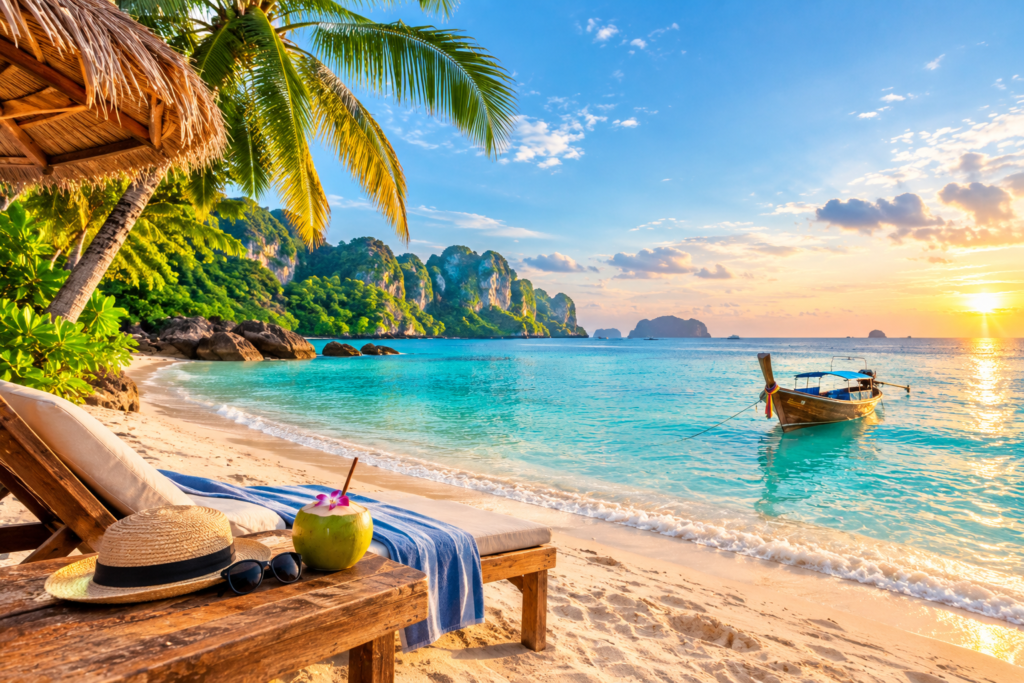

A dream beach vacation does not always require an expensive resort, a private villa, or a huge travel budget. Around the world, there are coastal destinations where travelers can enjoy beautiful beaches, local food, comfortable accommodation, and memorable experiences without spending as much as they might expect. The key is knowing where to look and understanding how destination, season, and travel style affect the total cost.
For travelers planning an international escape, affordable beach destinations can also offer more than sand and sunshine. Some combine tropical coastlines with traditional villages, historic towns, local markets, mountains, or wildlife. Vietnam, Albania, Thailand, Sri Lanka, and Mexico are among the destinations currently highlighted for strong value, although actual costs vary considerably depending on the season and type of trip.
Why Affordable Beach Vacations Are Worth Considering
A lower-cost beach destination can allow travelers to spend money on experiences rather than putting most of the budget toward accommodation. Instead of paying for an expensive resort every night, you may be able to stay in a comfortable guesthouse and use the remaining budget for boat trips, local restaurants, snorkeling, sightseeing, or exploring nearby towns.
The important thing is not simply finding the cheapest possible destination. A good affordable vacation should still provide the atmosphere, scenery, food, safety, transportation, and activities you want. Recent 2026 budget-travel guides continue to identify Southeast Asia, parts of the Balkans, Mexico, and other regions as places where travelers can get relatively strong value for their money.
Vietnam’s Coastal Escapes
Vietnam is one of the most interesting choices for travelers who want tropical scenery without the price level associated with some famous island destinations. Coastal areas offer beaches, seafood, local markets, traditional communities, and a variety of accommodation options. Phu Quoc, Da Nang, and other coastal areas can appeal to different types of travelers, from those looking for relaxation to visitors who want a combination of beach time and cultural exploration.
One of the biggest advantages is the ability to combine several experiences within one trip. A traveler can spend a morning beside the ocean, explore a local market later in the day, and enjoy Vietnamese food in the evening. Current budget-travel sources place Vietnam among the lower-cost international destinations, although prices differ by region and travel style.
Sri Lanka’s Southern Coast
Sri Lanka provides an appealing combination of beaches, wildlife, food, history, and countryside. The southern coastline includes several communities where travelers can enjoy relaxed beach days while remaining close to restaurants, local markets, and cultural attractions.
The destination becomes particularly interesting when travelers do not treat the beach as the only attraction. A trip can combine coastal towns with tea-growing areas, wildlife experiences, temples, and scenic train journeys. That variety can make a relatively affordable trip feel much larger and more adventurous than a traditional resort vacation. Current budget guides continue to include Sri Lanka among destinations where travelers can find comparatively low daily costs.
Thailand’s Quieter Beach Islands
Thailand remains a popular choice for international beach vacations because it offers a wide range of accommodation, food, transportation, and activities. Travelers do not have to choose the most famous resort areas to enjoy beautiful beaches. Islands and coastal communities with a slower atmosphere can provide a more relaxed experience while keeping costs under control.
Places such as Koh Lanta can appeal to travelers who want beaches without building the entire vacation around nightlife and large resort complexes. Local restaurants, smaller accommodations, boat excursions, and outdoor activities give travelers multiple ways to create a vacation that fits their budget. Thailand continues to appear among the more affordable international destinations in 2026 travel-cost guides.
Albania’s Mediterranean Coast
Albania is an interesting option for travelers who want a European beach vacation while looking beyond some of the region’s more expensive coastal destinations. The Albanian Riviera features clear water, mountain scenery, small coastal communities, and Mediterranean-style landscapes.
Himara, Saranda, and nearby coastal areas can provide different experiences depending on what type of vacation you prefer. Travelers can combine swimming and beach time with seafood restaurants, historic sites, scenic drives, and visits to smaller communities. Current 2026 budget sources continue to highlight Albania’s Riviera as a comparatively affordable European coastal option.
Mexico Beyond the Major Resort Zones
Mexico offers an enormous variety of beach destinations, but travelers looking for affordability may want to look beyond the most expensive resort areas. Coastal towns such as Puerto Escondido and other less resort-focused destinations can combine beaches with local restaurants, markets, culture, and outdoor activities.
The advantage of Mexico is that the beach experience can be combined with so many other types of travel. Travelers can enjoy regional food, historic neighborhoods, natural attractions, and coastal activities during the same trip. Current budget-travel sources continue to identify Mexico as a relatively accessible option, particularly when travelers choose accommodation and destinations carefully.
The Philippines for Island Adventures
The Philippines is an attractive option for travelers who want turquoise water, island scenery, snorkeling, and a tropical atmosphere. The country contains thousands of islands, meaning travelers can choose between popular destinations and quieter coastal areas.
The challenge is transportation. Reaching some islands can require several connections, and those costs should be included when planning the overall budget. Once you arrive, however, travelers can find a broad range of accommodation and food options. A well-planned island itinerary can combine beach relaxation with boat trips and local experiences.
Lombok, Indonesia
Lombok provides an alternative for travelers who want Indonesian beaches while exploring somewhere different from the most heavily visited areas of Bali. The island combines beaches, hills, traditional communities, waterfalls, and opportunities for outdoor activities.
Travelers can choose between relaxing coastal areas and destinations that are more focused on surfing or hiking. Local food and smaller accommodation options can also help keep the trip manageable. Budget-focused travel sources continue to identify Indonesia as one of the lower-cost regions for international travelers.
Dahab, Egypt
Dahab offers a different style of beach vacation because the surrounding landscape combines the Red Sea with desert mountains. Travelers can enjoy beaches, snorkeling, diving, and waterfront restaurants while also experiencing the distinctive atmosphere of the Sinai region.
The destination can appeal particularly to travelers who want activities rather than simply sitting beside the water. Diving and snorkeling provide opportunities to explore the underwater environment, while the surrounding desert creates a dramatic contrast with the sea. Current budget-travel comparisons also identify Egypt as a relatively affordable international destination.
Zanzibar, Tanzania
Zanzibar offers tropical beaches alongside a distinctive cultural atmosphere. The island’s coastline provides opportunities for swimming, snorkeling, boat trips, and relaxing by the Indian Ocean, while Stone Town offers architecture, markets, history, and local food.
A well-planned trip can divide time between cultural exploration and beach relaxation. Travelers may spend part of their vacation in Stone Town before heading toward coastal communities. This approach makes the journey feel more complete than staying inside a resort for the entire trip.
Goa, India
Goa can be an affordable choice for travelers who want a beach vacation combined with food, culture, and a lively local atmosphere. The state offers a mixture of beaches, markets, historic architecture, restaurants, and smaller communities.
Travelers looking for a quieter experience can explore southern coastal areas rather than concentrating entirely on the busiest northern beaches. The combination of affordable food, accommodation, local transportation, and beach access can make Goa particularly attractive for travelers who want their budget to stretch further.
Portugal’s Atlantic Coast
Portugal is not as inexpensive as some destinations in Southeast Asia, but it can still offer relatively good value within Western Europe. Coastal towns provide dramatic cliffs, sandy beaches, seafood restaurants, historic streets, and scenic walking routes.
Travelers can reduce costs by choosing smaller coastal towns or visiting outside the busiest summer period. Portugal’s wider travel costs remain higher than destinations such as Vietnam or Thailand, but budget-focused 2026 sources still list Portugal among comparatively affordable European options.
Choose the Right Travel Season
One of the easiest ways to reduce the cost of a beach vacation is to travel outside the busiest period. Accommodation and flights can become significantly more expensive when large numbers of visitors are competing for the same rooms and transportation.
Shoulder seasons can sometimes offer an attractive balance between weather and price. However, travelers should check local conditions before booking because the cheaper period may coincide with heavy rain, storms, reduced ferry services, or seasonal closures. The cheapest month is not automatically the best month if it prevents you from enjoying the activities you planned.
Stay a Little Away From the Beachfront
Beachfront accommodation is convenient, but it often carries a premium. Staying a short walk or local transportation ride away from the water can reduce accommodation costs while still keeping the beach easily accessible.
This approach can also introduce travelers to neighborhoods where locals live and eat. Instead of paying exclusively for a view from the hotel, you can spend the difference on restaurants, activities, or additional nights. The ideal distance depends on the destination and the local transportation system.
Eat Where Locals Eat
Food can become a major part of the vacation budget if every meal takes place at a tourist-focused beachfront restaurant. Local markets, family-run restaurants, bakeries, cafés, and food stalls can often provide more affordable alternatives.
Trying local food also adds cultural value to the trip. Seafood, tropical fruit, regional rice dishes, grilled specialties, and traditional desserts can become part of the experience rather than simply another expense. The best strategy is usually to mix a few special meals with more casual local options.
Compare the Full Cost of the Trip
A destination may appear inexpensive once you look at hotel prices, but the total cost can change after adding flights, airport transfers, domestic transportation, activities, and meals.
Create a rough budget before booking. Include international flights, accommodation, local transportation, food, activities, travel insurance, and a small emergency buffer. This gives you a much more realistic idea of whether a destination actually fits your budget.
Consider Longer Stays
Staying longer can sometimes reduce the average daily cost because you are not repeatedly paying for transportation between destinations. It can also give you more time to find affordable restaurants and activities instead of booking whatever is immediately available.
A slower vacation may also be more relaxing. Rather than visiting three beach towns in one week, you might choose one or two and explore them properly. This reduces transportation expenses while giving you more time to enjoy the destination.
Choose Experiences Carefully
Beach destinations often offer dozens of tours and activities, but you do not need to book everything. Select the experiences that are genuinely important to you.
A snorkeling trip, boat excursion, diving experience, cooking class, or guided nature tour can be worth the cost if it is something you will remember. The goal is not to eliminate spending completely but to make sure your money goes toward experiences that add value to the vacation.
Pack for the Beach and Beyond
Packing appropriately can prevent unnecessary spending after you arrive. Bring practical beach clothing, comfortable walking shoes, sun protection, swimwear, and any basic items you know you will need.
At the same time, avoid overpacking. If your itinerary includes local markets, historic towns, or hiking areas, versatile clothing is more useful than bringing separate outfits for every activity. Traveling with manageable luggage can also make local transportation easier.
Frequently Asked Questions
1. What are some affordable international beach destinations?
Vietnam, Thailand, Sri Lanka, Albania, Mexico, Indonesia, Egypt, and parts of Portugal can offer relatively good value, although the actual cost depends heavily on season, accommodation, and travel style.
2. How can I make a beach vacation cheaper?
Travel during a less busy period, compare accommodation locations, eat at local restaurants, use public transportation where practical, and avoid booking activities simply because they are popular. Looking at the complete trip cost is more useful than comparing hotel prices alone.
3. Is Southeast Asia cheaper than Europe for a beach vacation?
In many cases, Southeast Asian destinations have lower daily costs for accommodation, food, and local transportation. Some European destinations, particularly in the Balkans, can still offer strong value compared with more expensive Mediterranean locations.
4. Is it better to stay at an all-inclusive resort?
Not necessarily. All-inclusive resorts can simplify budgeting, but independent accommodation may provide more flexibility and access to local restaurants and experiences. The better option depends on what type of vacation you want.
5. How much should I budget for an affordable beach vacation?
There is no single amount that works for every destination. Current 2026 sources place several budget destinations in ranges around $30–70 per person per day before international airfare, but these are planning estimates rather than guaranteed prices.
Conclusion
An affordable beach vacation can still feel like a dream getaway when the destination is chosen carefully. Vietnam, Sri Lanka, Thailand, Albania, Mexico, Indonesia, Egypt, Zanzibar, and other coastal destinations offer different combinations of beaches, culture, food, nature, and activities. Instead of focusing only on the cheapest hotel, travelers can create better value by considering the entire experience and choosing a destination that matches their interests.
The most effective approach is to travel with a flexible mindset. Choose a sensible season, stay slightly away from the most expensive tourist areas, explore local food, limit unnecessary transportation, and spend your money on experiences that genuinely matter to you. With thoughtful planning, a beautiful international beach vacation does not have to require an enormous budget to feel special.