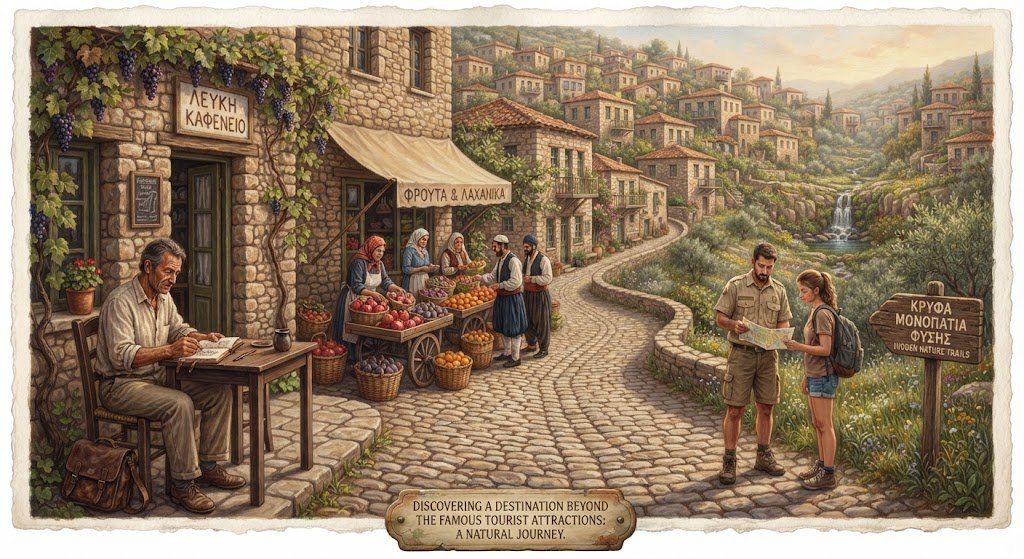

Famous landmarks can be an important part of traveling, but they are rarely the complete story of a destination. A city or region often has a much deeper personality that becomes visible when you move beyond the attractions featured in every guidebook. Local neighborhoods, independent businesses, quiet parks, community markets, regional food, and everyday traditions can reveal a side of a place that many short-term visitors never experience.
Travelers who want a more authentic and memorable vacation do not necessarily need to avoid popular attractions completely. Instead, they can balance the major sights with time spent exploring less-publicized areas. With a little preparation and curiosity, it is possible to experience a destination in a way that feels more personal and less like following a standard tourist checklist.
Start With the Neighborhoods
One of the easiest ways to discover a destination beyond its famous attractions is to spend time in neighborhoods that are not centered around tourism. These areas often contain local cafés, grocery stores, small restaurants, bookstores, parks, and family-owned businesses that give you a better sense of everyday life.
Before visiting, research several neighborhoods and look at how far they are from the main tourist center. Choose one or two that match your interests rather than trying to cover the entire city. Once you arrive, walk around slowly and pay attention to the details that make the area different from the places most visitors see.
Eat Where Local Residents Eat
Food can tell you a great deal about a destination, especially when you move away from restaurants designed primarily for visitors. Small neighborhood restaurants, bakeries, food stalls, cafés, and markets may offer regional dishes and cooking styles that are closely connected to local traditions.
Instead of choosing a restaurant only because it appears on a major tourist list, look for places that fit naturally into the neighborhood you are exploring. Ask locals for suggestions when appropriate, check recent information, and be open to trying something unfamiliar. A simple meal in a busy neighborhood restaurant can sometimes become more memorable than an expensive dinner near a major landmark.
Visit a Local Market
Markets provide an opportunity to see a destination through its everyday routines. Fresh produce, spices, baked goods, handmade products, flowers, clothing, and household items can reveal what people actually buy and use in their daily lives.
Spend time observing rather than rushing from one vendor to another. If you want to purchase something, ask about the product and its local significance when appropriate. Markets are also useful places to discover regional snacks and ingredients that you might otherwise never encounter during a conventional sightseeing itinerary.
Use Public Transportation
Public transportation can provide an entirely different perspective on a city. Riding a bus, subway, tram, train, or ferry can take you through neighborhoods that are not included in typical tourist routes and show you how residents move around their city.
You do not need to ride public transportation aimlessly. Use it to reach an area you already want to explore, then spend time walking around once you arrive. Before using the system, learn about ticketing, routes, operating hours, and safety recommendations so that the experience remains convenient and comfortable.
Ask Locals for Recommendations
Local residents can offer suggestions that do not appear in standard travel guides. A hotel employee, café owner, tour guide, shopkeeper, or other resident may know about a quiet viewpoint, neighborhood restaurant, weekend market, walking route, or community event that visitors often miss.
When asking for recommendations, be specific about your interests. Instead of simply asking for the best place in town, explain that you are interested in local food, photography, history, nature, or quieter neighborhoods. Specific questions usually produce more useful suggestions.
Explore Early in the Morning
Early mornings can completely change the atmosphere of a destination. Streets that become crowded later in the day may be quiet, local businesses may just be opening, and residents may be beginning their daily routines.
Morning exploration is particularly useful in places where major attractions become busy by midday. You can enjoy a peaceful walk, find a local breakfast spot, visit a market, or photograph streets before large crowds arrive. It also gives you more time later in the day for other activities.
Look for Independent Businesses
Independent businesses often reflect the personality of a neighborhood more clearly than large international chains. Small bookstores, cafés, galleries, clothing shops, bakeries, craft stores, and family-owned restaurants can introduce travelers to local products and ideas.
Before your trip, search for independent businesses in the neighborhoods you plan to visit. Once there, follow your curiosity instead of relying entirely on a predetermined list. A small shop discovered while walking may turn out to be one of the places you remember most clearly after returning home.
Take a Local Walking Tour
A walking tour led by someone who knows the destination well can reveal stories and details that are difficult to discover on your own. Some tours focus on architecture, food, history, street art, local neighborhoods, or particular communities rather than only visiting major landmarks.
Look for tours that emphasize education and local knowledge instead of simply moving quickly between photo stops. Small-group tours can also make it easier to ask questions and have conversations with the guide. If you prefer independent exploration, you can use the information from the tour to explore the same area on your own later.
Discover Local History
A destination’s history often extends far beyond its most famous monuments. Older neighborhoods, cemeteries, small museums, historic homes, libraries, churches, public buildings, and local archives can provide a broader understanding of how the area developed.
Research the history of the destination before arriving and identify a few places connected to stories that interest you. Even a short visit to a small local museum can change how you understand the streets and buildings you see afterward. Historical context can make ordinary parts of a city much more interesting.
Spend Time in Local Parks
Parks are excellent places to observe everyday life without spending much money. Residents may exercise, walk dogs, meet friends, have lunch, play sports, or simply relax in the same spaces visitors pass through without noticing.
Choose a park that is convenient to the neighborhood you are exploring and give yourself enough time to slow down. Bring a drink or snack, sit for a while, and observe the surroundings. A peaceful afternoon in a local park can provide a welcome break from crowded attractions.
Attend a Community Event
Community events can offer a glimpse into local traditions and contemporary culture. Depending on the destination and season, these may include neighborhood festivals, farmers markets, concerts, art events, cultural performances, sporting events, or seasonal celebrations.
Check local event calendars before your trip and confirm dates and visitor information close to your arrival. Remember that not every community event is designed for tourists. Attend respectfully, follow local expectations, and participate naturally rather than treating the event only as a photo opportunity.
Visit Outside the Busiest Areas
Tourist districts are often convenient, but they can also create a narrow view of a destination. Once you move a few streets away from the busiest areas, the atmosphere may change considerably, with different restaurants, stores, residential streets, and public spaces.
You do not have to travel far outside the city center to find these differences. Research the areas surrounding major attractions and identify nearby neighborhoods worth exploring. This can allow you to combine a famous sight with a more local experience on the same day.
Try a Regional Specialty
Every destination has foods, drinks, ingredients, or cooking traditions that help define its identity. Trying a regional specialty can be an easy way to move beyond generic tourist experiences and learn something about local culture.
Do some research before ordering so you understand what you are trying and where it comes from. If you have allergies or dietary restrictions, communicate them clearly. When possible, choose places that explain the local connection behind the dish rather than simply offering a tourist version of it.
Explore on Foot Without a Strict Route
Walking without a rigid route can lead to unexpected discoveries. Once you have covered the places you consider essential, choose an interesting neighborhood and allow yourself to wander within a reasonable area.
Keep a map available for navigation, but do not feel obligated to follow it every minute. You might discover a beautiful courtyard, small gallery, neighborhood bakery, quiet street, or local shop that was never included in your original itinerary. These unexpected moments are often what make independent travel feel rewarding.
Look Beyond Social Media’s Most Popular Spots
Social media can be useful for travel inspiration, but it can also create the impression that a destination has only a handful of places worth visiting. Popular photographs tend to highlight the same viewpoints, restaurants, streets, and attractions repeatedly.
Use social media as a starting point rather than a complete travel guide. Search for local organizations, neighborhood accounts, cultural institutions, and smaller businesses as well. Comparing different sources can help you discover places that are interesting without being constantly featured in viral travel posts.
Stay in a Local Area
Where you stay can influence how much of a destination you experience. A hotel or rental located slightly outside the main tourist zone may place you closer to local restaurants, markets, parks, and residential neighborhoods.
Location should still be practical for your trip. Check transportation options, walking distances, safety information, and access to the places you want to visit. The goal is not simply to stay as far away from tourists as possible, but to choose a location that gives you convenient access to both major attractions and everyday local life.
Learn a Few Local Words
Even when you are traveling somewhere where English is widely understood, learning a few local words can make interactions feel more natural. Basic expressions for greetings, thanks, ordering food, and asking simple questions can show that you have made an effort to understand the local culture.
You do not need to become fluent before your trip. Practice a handful of useful expressions and use them respectfully. Even when your pronunciation is imperfect, the attempt can sometimes lead to friendlier interactions and more opportunities to learn about the destination.
Spend More Time in One Place
Trying to visit several cities during a short vacation can limit your ability to understand any of them. Moving between destinations takes time that could otherwise be spent exploring neighborhoods, trying local food, or simply observing daily life.
If you have the flexibility, consider staying longer in fewer places. A slower itinerary can allow you to return to a favorite café, revisit a market, explore another neighborhood, or take a day without scheduled activities. You may see fewer attractions, but your experience of the destination can become much deeper.
Travel During a Different Season
Visiting a destination during its less busy season can change the entire experience. Streets may be quieter, accommodations may have different availability, and seasonal traditions or landscapes may offer something that is not visible during peak travel periods.
Seasonal travel requires careful research because weather and operating schedules vary. Some attractions may have reduced hours or temporary closures, while outdoor activities can depend heavily on conditions. Check current information before making your plans so you know what to expect.
Keep a Flexible Day in Your Itinerary
A flexible day gives you room to discover a destination based on what you learn after arriving. You might hear about a neighborhood from a local, notice an event advertised at a café, or find a museum that was not on your original list.
Rather than filling every hour with reservations, leave at least part of the schedule open. You can use that time to revisit a place you enjoyed, explore somewhere new, or simply relax. Flexibility is particularly valuable when your goal is to experience a destination rather than race through a checklist.
Research the Destination Before You Go
Going beyond the famous attractions does not mean arriving completely unprepared. A small amount of research can help you identify neighborhoods, local foods, transportation options, cultural events, independent businesses, and lesser-known attractions before your trip.
Create a short list rather than an enormous collection of places. Save a few options in different categories and decide what to visit based on your schedule and interests. This gives you direction while still leaving enough freedom to discover things naturally after you arrive.
Frequently Asked Questions
How can I experience a destination like a local?
Spend time outside the main tourist districts, use local businesses, visit neighborhood markets and parks, try regional food, and talk respectfully with residents. The goal is to observe and participate in everyday life rather than simply imitate locals.
Should I skip famous tourist attractions completely?
Not necessarily. Famous attractions can be important and worthwhile. A better approach is to combine major sights with neighborhood exploration, local food, community events, and other experiences that show a different side of the destination.
How do I find less touristy places?
Research local neighborhoods, independent businesses, community calendars, cultural organizations, and recent recommendations from people familiar with the area. You can also ask hotel staff, guides, or other residents for suggestions based on your specific interests.
Is public transportation useful for discovering a city?
Yes. Public transportation can take you through neighborhoods and areas that may not be included in standard sightseeing routes. Learn the local system and use it as a practical way to reach places you want to explore.
Can I discover a destination without spending a lot of money?
Absolutely. Walking through neighborhoods, visiting public parks, exploring markets, attending some community events, and observing local life can cost very little. Many meaningful travel experiences do not require expensive tours or attractions.
How much time should I spend exploring beyond the main attractions?
There is no universal amount. Even a few hours in a local neighborhood can add depth to a trip. If you have more time, dedicating an entire day to slower exploration can give you a much stronger sense of the destination.
Conclusion
Discovering a destination beyond its famous tourist attractions is about changing the way you travel rather than simply adding more places to your itinerary. Neighborhood walks, local markets, independent restaurants, public parks, community events, and conversations with residents can reveal details that a standard sightseeing schedule often misses.
You do not have to avoid famous landmarks to have a more authentic trip. Instead, use them as part of a broader experience and leave enough time to explore what surrounds them. Research a few local areas before your trip, keep your plans flexible, and allow curiosity to guide some of your decisions once you arrive.
The most memorable travel experiences are not always the ones that receive the most attention online. Sometimes they come from a quiet street, an unexpected meal, a friendly recommendation, or an ordinary neighborhood that gives you a better understanding of how a destination really feels. By slowing down and looking beyond the obvious attractions, you can return home with memories that feel much more personal.