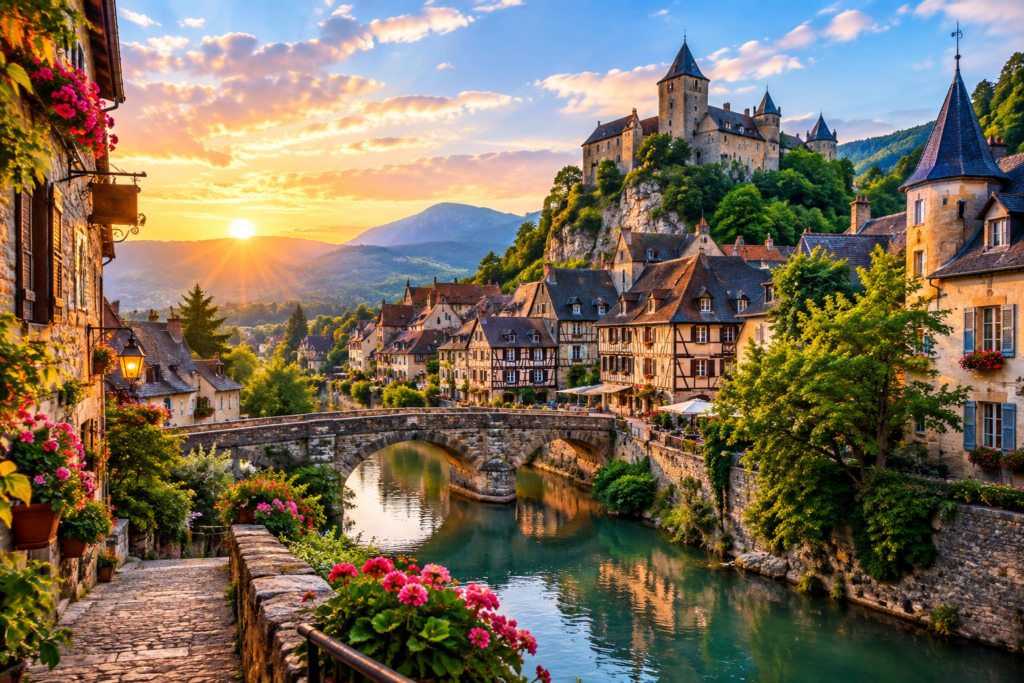

Europe is filled with famous destinations that attract millions of travelers every year, but some of its most memorable places are much smaller and quieter. Away from the busiest capitals and heavily photographed landmarks, there are old towns where stone buildings, mountain scenery, medieval squares, and peaceful rivers create an atmosphere that can feel almost unreal. These destinations offer travelers the opportunity to experience a slower and more intimate side of Europe.
For travelers looking beyond the usual tourist checklist, hidden European towns can turn an ordinary vacation into something much more personal. Instead of spending every day moving between crowded attractions, you can wander through historic streets, stop at a small café, discover local food, and enjoy scenery without constantly watching the clock. Whether you are planning a romantic escape, a solo adventure, or a relaxed European road trip, these towns can provide a completely different travel experience.
Why Small European Towns Feel Like Fairytales
The charm of a small European town often comes from the combination of several details rather than one famous attraction. Old stone houses, flower-filled balconies, wooden shutters, church towers, cobblestone streets, and surrounding mountains can create a setting that feels dramatically different from modern city life. Even a simple walk through the center can become an experience because the architecture and streets themselves tell part of the destination’s story.
Another reason these places feel special is their slower rhythm. In a major tourist city, travelers may spend much of their time navigating public transportation, waiting in lines, and moving between attractions. Smaller towns can encourage a different style of exploration. You might spend an afternoon following a quiet lane, discovering a local bakery, sitting beside a river, or watching the evening light reach the rooftops.
What Makes a European Town Worth Discovering
A beautiful destination does not necessarily need dozens of attractions. Sometimes a town becomes memorable because of its atmosphere, location, history, and local character. Travelers should look for places where the historic center remains connected to everyday life instead of feeling like a collection of attractions created only for visitors.
Historic character: Look for preserved streets, traditional architecture, old squares, castles, churches, bridges, or town walls that give the destination a distinctive identity.
Natural surroundings: Mountains, forests, vineyards, rivers, and coastlines can dramatically change the experience and provide opportunities for walking and photography.
Local atmosphere: A destination feels more authentic when residents still use its streets, markets, cafés, and public spaces as part of everyday life.
Walkability: Small towns that can comfortably be explored on foot are particularly enjoyable for travelers who want to slow down and notice details.
When these elements come together even a destination that is relatively unknown internationally can become the highlight of a longer European journey. The experience is less about checking famous landmarks off a list and more about remembering how a place looked, sounded, and felt during your visit.
Hallstatt, Austria: A Lakeside Setting Straight From a Storybook
Hallstatt is one of Austria’s most visually striking small destinations, positioned between the Hallstätter See and steep Alpine mountains. Its compact collection of traditional buildings, waterfront views, and surrounding scenery gives the town a distinctive appearance that has made it popular with travelers from around the world. The combination of water, mountains, and historic architecture makes even a simple walk through town feel remarkably scenic.
Although Hallstatt is no longer a secret destination, its setting still makes it feel like a fairytale location. Travelers can explore the waterfront, walk through the historic center, enjoy views across the lake, and use the town as a base for exploring the surrounding Alpine region. Visiting outside the busiest part of the day can provide a calmer experience and allow you to appreciate the scenery more comfortably.
Giethoorn, Netherlands: A Village Built Around Water
Giethoorn offers a completely different version of European charm. Located in the Netherlands, the village is known for waterways, small bridges, traditional houses, and paths that create an unusual alternative to conventional streets. Instead of imagining a typical European village centered around roads and cars, picture a peaceful community where canals become one of the defining features of the landscape.
Exploring Giethoorn is especially appealing for travelers who enjoy photography and quiet scenery. A boat ride provides a different perspective of the village, while walking allows visitors to notice gardens, bridges, homes, and small details that might otherwise be missed. The destination is best approached slowly because its appeal comes from the overall environment rather than a single major attraction.
Rothenburg ob der Tauber, Germany: A Walk Into Medieval Europe
Rothenburg ob der Tauber is a historic Bavarian town known for its preserved medieval appearance. Walking through its old center can feel like entering a different period, with colorful façades, towers, defensive walls, and narrow streets creating a strong sense of historical character. It is the kind of destination where the architecture becomes the main attraction.
Visitors can spend hours simply exploring the streets and discovering different viewpoints around the historic center. The town’s traditional appearance also makes it particularly attractive during different seasons. Warm weather brings outdoor cafés and lively streets, while colder months can create a completely different atmosphere. Travelers interested in history and architecture can easily build an entire day around walking rather than rushing between attractions.
Colmar, France: Colorful Streets and Canal-Side Charm
Colmar sits in France’s Alsace region and is known for its colorful buildings, canals, historic streets, and distinctive architectural character. Its appearance combines French and Germanic influences, giving the town a personality that feels different from many other destinations in the country. The old streets are filled with details that reward travelers who explore without a strict schedule.
One of the pleasures of visiting Colmar is discovering how the town changes throughout the day. Morning can feel peaceful, afternoons bring more activity, and evening lights can transform the appearance of the historic center. Travelers who enjoy food should also leave time to explore local restaurants and bakeries rather than treating the town as simply a photography destination.
Sintra, Portugal: Palaces, Forests, and Mountain Views
Sintra is surrounded by wooded hills near Lisbon and is famous for its colorful palaces, historic estates, gardens, and distinctive landscapes. Its combination of architecture and natural scenery gives the destination an almost imaginary quality. Instead of presenting one consistent architectural style, Sintra offers travelers a collection of dramatic buildings surrounded by greenery.
A visit to Sintra works best when travelers allow enough time to explore rather than attempting to see everything in a few hours. The hills can make walking more demanding, and popular attractions can become busy. Planning the day around a small number of priorities can make the experience more comfortable and leave room for enjoying the town itself.
Albarracín, Spain: A Quiet Mountain Town With Character
Albarracín is a small historic town in Spain’s Aragón region, known for its reddish buildings, narrow streets, stone walls, and dramatic position among surrounding hills. Its architecture gives the town a warm, distinctive appearance that immediately separates it from larger Spanish cities. For travelers searching for a destination with a strong sense of place, it offers plenty to explore.
The town is particularly enjoyable for people who like walking and photography. Streets can become narrow and steep, which means comfortable footwear is useful. Rather than following a rigid sightseeing schedule, visitors can spend time exploring viewpoints, historic corners, and quiet sections of the town while enjoying the surrounding landscape.
How to Explore a Fairytale European Town
A little preparation can make a major difference when visiting a small European destination. Because these towns often have compact historic centers, travelers may be tempted to plan every minute around sightseeing. A better approach is to identify a few important places in advance while leaving enough time to wander and discover unexpected corners.
- Arrive early: Starting your day earlier can provide a quieter experience and more comfortable conditions for walking.
- Explore on foot: Small historic centers often reveal their best details when you move slowly through their streets.
- Carry comfortable shoes: Cobblestones, hills, and uneven paths can make unsuitable footwear uncomfortable.
- Keep your schedule flexible: Allow extra time for cafés, viewpoints, local shops, and spontaneous discoveries.
- Check local transportation: Some small towns have limited connections, especially outside peak travel periods.
- Research opening hours: Museums, castles, restaurants, and attractions may operate on schedules different from those in major cities.
The goal is not to see every possible attraction in one visit. Give yourself enough freedom to stop when something catches your attention. A small bakery, an old bridge, a quiet viewpoint, or a local market may become one of your favorite memories even though it was never part of your original itinerary.
Best Ways to Experience These Towns Without Rushing
Slow travel works particularly well in smaller European destinations because their main attraction is often the atmosphere itself. Instead of moving quickly from one landmark to another, choose a central area and explore outward. This allows you to notice architectural details, local businesses, public squares, and landscapes that are easy to overlook when traveling too quickly.
Take a walking route: Start with the historic center and gradually move toward quieter streets or nearby viewpoints.
Try local food: A regional dish or small café can introduce you to an important part of the destination’s culture.
Watch the town change: Morning, afternoon, sunset, and evening can offer completely different moods in the same location.
Talk to locals when appropriate: Simple conversations can sometimes reveal recommendations that are not obvious from standard tourist guides.
This approach can also make your trip feel less expensive and less stressful. You do not need to pay for an attraction every few hours to have a worthwhile day. Many of the most enjoyable experiences in these towns involve walking, observing the surroundings, enjoying local food, and spending time in public spaces.
When Should You Visit Hidden European Towns?
The ideal season depends heavily on the destination. Spring can bring flowers, mild temperatures, and fresh landscapes, while summer generally provides longer daylight hours and more opportunities for outdoor activities. Autumn can add colorful scenery and a quieter atmosphere in some regions, while winter may create a particularly dramatic setting in Alpine and historic towns.
Travelers should also consider how popular a destination has become. A place described as “hidden” online may actually receive substantial visitor numbers during peak periods. Checking local calendars, transportation schedules, and accommodation availability before booking can help you avoid unpleasant surprises and choose dates that match your preferred travel style.
How to Choose the Right Town for Your Trip
Start by thinking about the type of experience you want rather than simply searching for the most beautiful destination. Someone interested in architecture may prefer a medieval town, while a traveler who loves nature might enjoy a lakeside or mountain location. Food lovers can focus on regions known for distinctive cuisine, while photographers may prioritize colorful buildings and dramatic landscapes.
Your transportation plans should also influence your choice. Some small towns are easy additions to a larger European itinerary, while others require a longer journey. Before booking accommodation, check how you will arrive, how long the journey takes, and whether local transportation is available once you reach the destination. A beautiful town becomes much easier to enjoy when the practical side of the trip has been considered beforehand.
Five Things to Remember Before Visiting
1. Popularity can change quickly: A destination that looks quiet in an article may be much busier during weekends, holidays, or peak seasons.
2. Small does not always mean simple: Narrow roads, hills, limited parking, and reduced public transportation can require more planning than a major city.
3. Accommodation can be limited: Smaller destinations may have fewer hotels and guesthouses, especially in highly visited areas.
4. Respect residential areas: Historic towns are also real communities, so visitors should be considerate around homes, private properties, and quiet streets.
5. Leave room for discovery: The most memorable part of a small-town visit may be something that was never included in your original plan.
These simple considerations can make the difference between a rushed sightseeing trip and a genuinely enjoyable journey. The more you understand about the destination before arriving, the easier it becomes to relax once you are there.
Frequently Asked Questions
1. What makes a European town feel like a fairytale destination?
A combination of historic architecture, natural scenery, narrow streets, colorful buildings, traditional houses, and a slower atmosphere can create that fairytale feeling. The experience usually comes from the relationship between the town and its surroundings rather than one specific attraction.
2. Are small European towns suitable for first-time international travelers?
Yes, many can be enjoyable for first-time travelers, particularly when transportation and accommodation are researched beforehand. Choosing a town that is reasonably connected to a larger city can also make the first international trip easier to manage.
3. How many days should you spend in a small European town?
One full day can be enough for some compact destinations, while others deserve two or more nights. Staying longer allows travelers to experience the town at different times of day and explore nearby attractions without constantly rushing.
4. Are these destinations expensive to visit?
Costs vary considerably by country, season, accommodation type, and transportation. Small towns are not automatically cheaper than major cities, particularly when they are popular tourist destinations, so comparing accommodation and travel costs before booking is worthwhile.
5. What should I pack for a European town with old streets?
Comfortable walking shoes are one of the most useful items because cobblestones, stairs, hills, and uneven paths are common in historic areas. Depending on the season, travelers should also consider layers, a compact rain jacket, a reusable water bottle, and a small day bag.
Conclusion
Hidden and lesser-known European towns offer a refreshing alternative to conventional city vacations. From lakeside villages and medieval settlements to colorful French streets and Portuguese hill towns, these destinations demonstrate that memorable travel does not always require famous landmarks. Their real appeal comes from the combination of history, architecture, nature, food, and everyday local life.
The best way to experience these places is to slow down and allow the destination to reveal itself naturally. Plan the important details, choose comfortable transportation and accommodation, but leave enough space for unexpected discoveries. Sometimes the quiet street you almost skipped, the small café you noticed by chance, or the sunset over an old rooftop becomes the memory that stays with you long after the trip is over.