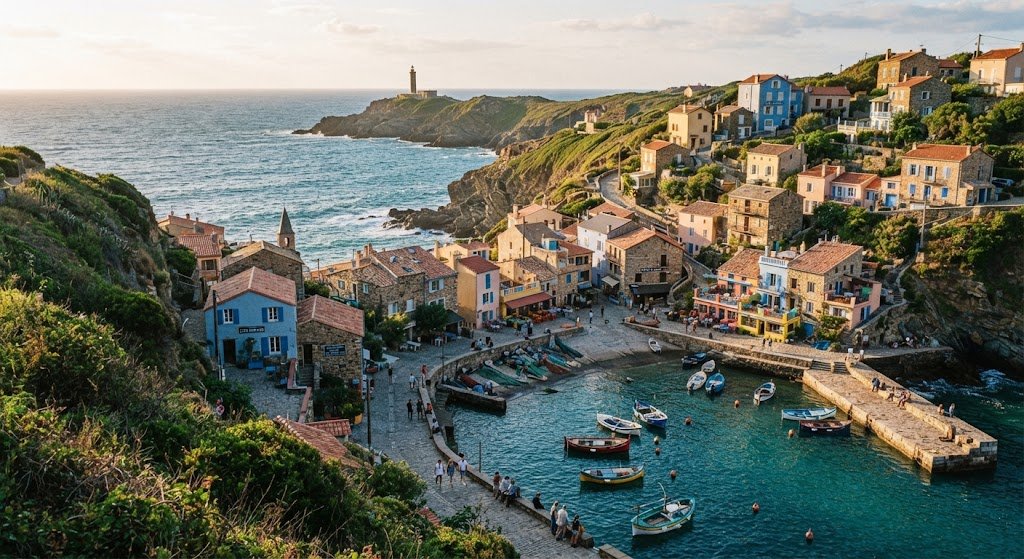

There is something special about arriving in a small coastal town where life seems to move at a different pace. Instead of crowded avenues, towering buildings, and packed sightseeing schedules, travelers may find quiet waterfronts, colorful houses, local cafés, fishing boats, historic streets, and long stretches of coastline. These destinations can provide the kind of vacation where the journey feels less like checking attractions off a list and more like discovering a place naturally.
Small coastal towns are also ideal for travelers who want variety without an exhausting itinerary. A single destination can offer beautiful scenery, local food, peaceful walks, beaches, historic neighborhoods, and opportunities to spend time near the water. Some towns are perfect for a slow weekend, while others can become the base for a longer regional adventure. The destinations below show how much character can exist beyond the world’s biggest tourist cities.
Why Small Coastal Towns Are Worth Visiting
Large cities can provide museums, famous landmarks, entertainment, and endless dining choices, but smaller coastal communities offer a different type of travel experience. Their appeal often comes from the combination of natural scenery and everyday local life. A morning walk along the harbor, lunch at a small restaurant, or an evening watching the sunset can become the highlight of the entire trip.
These towns can also make it easier to slow down. Instead of spending hours traveling between attractions, visitors may be able to explore much of the center on foot. The shorter distances leave more time for photography, swimming, local markets, cafés, and spontaneous discoveries. For travelers who want their vacation to feel calm rather than rushed, that difference can be significant.
What Makes a Coastal Town Special?
A beautiful coastline alone does not necessarily make a destination memorable. The most appealing coastal towns usually combine scenery with a distinctive local identity. Historic architecture, traditional food, fishing culture, nearby nature, and a strong connection to the sea can give a place character that cannot be recreated by a large resort complex.
Waterfront atmosphere: Harbors, promenades, marinas, and beaches create natural places to walk and relax.
Local food: Seafood, regional specialties, bakeries, cafés, and family-run restaurants can become part of the travel experience.
Walkable streets: Small centers often allow visitors to discover several areas without relying heavily on transportation.
Distinctive culture: Traditional buildings, festivals, crafts, and local customs help differentiate one town from another.
The best coastal destination is not necessarily the one with the most famous beach. A smaller town with an attractive harbor, interesting history, good food, and scenic surroundings can provide a much richer trip. Travelers should look at the entire environment rather than judging a place from a single photograph.
Polignano a Mare, Italy: Cliffs Above the Adriatic
Polignano a Mare is built dramatically along the Adriatic coast, with white buildings and narrow streets overlooking the water. The town’s location gives visitors numerous viewpoints, while its historic center provides a maze of small streets where travelers can wander without needing a detailed itinerary.
The coastline is one of the biggest attractions, but the town is more than a collection of viewpoints. Visitors can explore local cafés, discover small restaurants, and walk through the historic streets before returning toward the water. The combination of architecture and coastline makes even a simple afternoon stroll feel like sightseeing.
Cadaqués, Spain: A Mediterranean Town With an Artistic Spirit
Cadaqués sits on Spain’s northeastern coast and has long attracted artists, photographers, and travelers interested in Mediterranean scenery. Whitewashed buildings, narrow streets, rocky coastline, and clear water give the town a distinctive visual identity.
The surrounding landscape also makes Cadaqués interesting for travelers who enjoy walking and outdoor exploration. Rather than spending the entire visit in the town center, visitors can explore coastal paths and nearby scenery before returning for an evening meal. The slower pace works particularly well for travelers who prefer a destination that rewards wandering.
Hallstatt, Austria: Lakeside Scenery and Mountain Views
Although Hallstatt is not a seaside destination, its lakeside setting provides the same peaceful waterfront atmosphere that attracts travelers to coastal towns. Historic houses sit between the lake and surrounding mountains, creating a dramatic landscape that changes with the weather and season.
The town itself is compact, allowing visitors to explore the central streets and waterfront without needing extensive transportation. Travelers can also use the area as a base for discovering surrounding mountain and lake scenery. Because the destination can become busy, timing your visit can make a significant difference to the overall experience.
Kotor, Montenegro: A Historic Town Surrounded by Mountains
Kotor offers a remarkable combination of water, mountains, and historic architecture. The old town is enclosed by medieval walls and contains narrow lanes, small squares, churches, cafés, and traditional stone buildings. Beyond the rooftops, steep mountains rise around the bay.
This combination creates an unusually dramatic setting. Travelers can spend part of the day exploring the historic center and another part enjoying views around the bay. Those interested in walking can also explore higher viewpoints, although the terrain can be demanding. The result is a destination that combines cultural exploration with outdoor scenery.
Cadaques-Style Mediterranean Escapes Beyond the Famous Resorts
One of the biggest advantages of choosing smaller coastal towns is the opportunity to experience a region without staying in its busiest resort center. Mediterranean countries contain many communities where visitors can enjoy local food, beaches, historic streets, and waterfront walks without building their entire trip around major attractions.
Travelers should still research seasonal demand. A town that feels peaceful in spring or autumn can become considerably busier during peak summer weeks. Choosing travel dates carefully can therefore be just as important as choosing the destination itself.
Rovinj, Croatia: Colorful Streets Beside the Adriatic
Rovinj combines a historic old town with a scenic Adriatic setting. Narrow streets lead upward through colorful buildings toward viewpoints overlooking the water. The waterfront provides another perspective, with boats and islands adding to the coastal atmosphere.
The town works particularly well for travelers who enjoy combining walking with food and scenery. You can spend the morning exploring historic lanes, take a break at a café, and later walk along the waterfront. Nearby coastal areas also provide opportunities to spend time outdoors without requiring a complicated daily schedule.
Honfleur, France: Harbor Views and Historic Character
Honfleur offers a different kind of coastal experience, with a picturesque harbor surrounded by historic buildings. Rather than tropical beaches, the appeal comes from architecture, waterfront scenery, galleries, restaurants, and the atmosphere of a traditional French port.
The compact center makes it easy to explore on foot. Visitors can move between the harbor and surrounding streets, stopping whenever a café, shop, or architectural detail catches their attention. Honfleur can also work well as part of a broader Normandy itinerary, giving travelers the chance to combine a small-town stay with regional sightseeing.
Portree, Scotland: A Colorful Gateway to the Highlands
Portree is located on the Isle of Skye and is known for its waterfront setting and colorful buildings. The surrounding landscape is one of its greatest strengths, with mountains, cliffs, valleys, and coastal scenery nearby.
The town can serve as a comfortable base for exploring the wider island. Travelers can enjoy a quieter evening in the center after spending the day exploring natural attractions. Because weather conditions can change quickly in the Scottish Highlands, flexible planning is especially useful.
Nazaré, Portugal: Ocean Views and Local Tradition
Nazaré provides a lively coastal experience with a strong connection to fishing and the Atlantic Ocean. Its waterfront, traditional streets, viewpoints, and local restaurants create a destination where visitors can experience both scenery and everyday coastal culture.
The town is also associated with dramatic ocean conditions, making it interesting for travelers fascinated by the power of the sea. However, visitors should always respect local safety guidance around beaches and cliffs. The ocean may be beautiful, but coastal environments can change quickly.
Camogli, Italy: A Quieter Italian Riviera Experience
Camogli offers colorful waterfront buildings, a small harbor, and a more intimate atmosphere than some of the better-known destinations along the Italian Riviera. The town’s location makes it appealing to travelers who want to combine seaside relaxation with Italian food and walking.
The waterfront is ideal for slow exploration, while nearby paths provide opportunities to experience the surrounding landscape. Travelers can spend a day enjoying the town itself or use it as a starting point for exploring nearby coastal communities by train, boat, or on foot.
How to Choose the Right Coastal Town
Choosing between small coastal destinations becomes easier when you decide what type of experience you want. Some travelers want beaches and swimming, while others care more about historic architecture, hiking, food, photography, or peaceful evenings. A town that is perfect for one traveler may feel too quiet or too busy for another.
- For beaches: Look for destinations with accessible swimming areas and suitable seasonal conditions.
- For history: Focus on towns with preserved old centers, forts, churches, or traditional architecture.
- For hiking: Research coastal trails, cliffs, mountains, and nearby natural areas.
- For food: Investigate regional specialties and local markets.
- For photography: Consider colorful buildings, harbors, viewpoints, and changing light.
- For relaxation: Choose smaller towns with fewer major attractions and a comfortable pace.
It is also important to consider how you will arrive. Some coastal towns are easy to reach by train or bus, while others require a car or a combination of transportation. A beautiful destination can become frustrating if getting there requires several complicated transfers, particularly when traveling with luggage.
When Is the Best Time to Visit a Coastal Town?
The ideal season depends on what you want to do. Summer is naturally attractive for travelers who want warm weather and swimming, but it can also bring larger crowds and higher prices. If your main goal is walking, photography, food, or sightseeing, spring and autumn can sometimes provide a more comfortable atmosphere.
Weather should also be considered beyond temperature. Coastal conditions can influence boat trips, hiking, swimming, and visibility. Before booking, check the destination’s typical seasonal conditions and research whether businesses or transportation services operate differently outside the busiest months.
How to Spend Three Relaxing Days by the Coast
A small coastal town does not require a complicated itinerary. On the first day, explore the historic center and waterfront, learn where local restaurants and markets are located, and take time to settle into the environment. Avoid trying to see everything immediately.
The second day can focus on the surrounding landscape. Take a coastal walk, visit a nearby viewpoint, spend time at the beach, or explore a neighboring community. On the final day, slow the pace again. Enjoy a long breakfast, revisit your favorite part of town, shop for local products, and have one final meal near the water.
What to Eat in a Coastal Town
Food is often one of the strongest reasons to visit a coastal community. Seafood may be central to the local cuisine, but it is worth looking beyond the obvious dishes. Regional breads, cheeses, pastries, vegetables, soups, desserts, and locally produced drinks can tell you much about the area’s culture.
Eat where locals eat: Restaurants slightly away from the busiest waterfront areas may offer a more everyday dining experience.
Try regional specialties: Ask about dishes associated with the town or surrounding region.
Take your time: A relaxed meal can become one of the most memorable parts of a coastal vacation.
The goal is not to find the most expensive restaurant with an ocean view. A simple meal made with regional ingredients can provide a stronger connection to the destination than a highly formal dining experience.
How to Explore Beyond the Waterfront
The waterfront is usually the first place travelers visit, but smaller coastal towns often become more interesting when you move inland. Historic streets, residential neighborhoods, local churches, markets, workshops, and small cafés can reveal what daily life looks like away from the tourist areas.
Ask local accommodation hosts or restaurant staff about places they personally enjoy. A short conversation can lead you toward a viewpoint, walking route, bakery, or neighborhood that was never included in your original itinerary. These spontaneous discoveries are one of the biggest advantages of visiting smaller destinations.
Important Things to Pack
Packing for a coastal town depends heavily on the season and activities, but a few items are particularly useful.
Comfortable walking shoes: Historic streets may contain stone surfaces, stairs, or uneven paths.
Light layers: Coastal weather can change during the day, especially near mountains.
Sun protection: Sunglasses, sunscreen, and a hat can be useful during long outdoor days.
Small day bag: Keep water, personal items, and a light layer accessible.
Swimwear: If swimming is part of your plans, having it available makes spontaneous beach stops easier.
Avoid bringing excessive luggage if you plan to move between several small towns. Trains, narrow streets, stairs, and older accommodations can make large suitcases inconvenient.
Common Mistakes to Avoid
1. Visiting only the main viewpoint: The surrounding streets and local neighborhoods may provide a better sense of the destination.
2. Ignoring seasonal crowds: Small towns can become surprisingly busy during peak periods.
3. Underestimating terrain: Coastal destinations may contain steep streets, stairs, or cliffs.
4. Assuming every beach is safe for swimming: Always pay attention to local conditions and official guidance.
5. Booking without checking transportation: Some smaller communities have limited connections.
6. Overplanning: The charm of a small coastal town often comes from having time to wander.
A slower itinerary is usually the best way to experience these destinations. You do not need to fill every hour with activities. Leave enough space for a long lunch, an unexpected walking route, or an evening spent simply watching the water.
Frequently Asked Questions
1. Are small coastal towns suitable for a short vacation?
Yes. Their compact size can make them particularly suitable for short trips because travelers can experience the waterfront, central streets, local food, and nearby scenery without spending most of the vacation traveling between attractions.
2. Are coastal towns expensive during summer?
Some can become considerably more expensive during peak travel periods because demand for accommodation and transportation increases. Comparing different dates and considering less famous destinations can help travelers find better value.
3. Should I rent a car for a coastal-town vacation?
It depends on the destination. Some towns have excellent train, bus, or ferry connections, while others are easier to explore with a car. Research the local transportation network before deciding.
4. What should I do if the weather is bad?
Use the opportunity to explore cafés, museums, historic buildings, local markets, restaurants, galleries, or nearby indoor attractions. Coastal towns can still be enjoyable when the weather prevents beach activities.
5. How long should I stay in a small coastal town?
Two or three nights can be enough for a quick introduction, while a longer stay works well if you want to explore surrounding areas. The ideal length depends on how much you want to slow down rather than simply how many attractions there are.
Conclusion
Small coastal towns offer travelers an alternative to crowded city breaks and large resort vacations. Places such as Polignano a Mare, Cadaqués, Kotor, Rovinj, Honfleur, Portree, Nazaré, and Camogli demonstrate how waterfront scenery, historic streets, local food, and natural surroundings can create a complete travel experience without requiring a packed schedule.
The real attraction of these destinations is the opportunity to slow down and notice the details. Walk along the harbor, explore streets beyond the main tourist area, try regional food, spend time outdoors, and allow your itinerary to remain flexible. Sometimes a quiet coastal morning, a local meal, and a sunset beside the water can create stronger travel memories than an entire day spent rushing between famous attractions.