
Taking your first solo trip can feel exciting and intimidating at the same time. Without friends or family traveling beside you, every decision belongs to you, from choosing a hotel and finding transportation to deciding where to eat and what to see.
For a first solo adventure, the ideal destination is not necessarily the most famous place in the world. A good starting point is a destination with straightforward transportation, plenty of things to do, a range of accommodation options, and an environment where an independent traveler can comfortably explore. From walkable European cities to scenic destinations with welcoming travel infrastructure, there are many places that can make a first solo journey memorable without making it unnecessarily complicated.
What Makes a Destination Good for First-Time Solo Travelers?
A first solo destination should offer a comfortable balance between independence and convenience. Travelers need enough freedom to explore without constantly worrying about how to get from one place to another. Cities with reliable public transportation, central neighborhoods, accessible attractions, and plenty of accommodation choices can make those first few days much less stressful.
Another important factor is the variety of activities available. When traveling alone, you may not want to spend every hour visiting traditional tourist attractions. A destination becomes more interesting when you can combine museums, markets, cafés, parks, walking routes, local food, and day trips. Having different options also means you can change your plans whenever you feel like doing something different.
Lisbon, Portugal
Lisbon can be an appealing introduction to solo travel because it combines historic neighborhoods, viewpoints, local food, and a relaxed atmosphere within a relatively compact city. Travelers can spend the morning walking through older streets, stop at a café for a break, and continue toward a viewpoint overlooking the city without needing to create an extremely complicated schedule.
The city’s hills mean that comfortable shoes are useful, but the effort can be worthwhile because many elevated areas provide memorable views. Solo travelers can also enjoy the freedom of moving between neighborhoods at their own pace. Instead of worrying about whether a travel companion wants to spend another hour exploring a particular street, you can simply continue wherever your curiosity takes you.
Amsterdam, Netherlands
Amsterdam offers a different style of solo adventure, with canals, museums, historic neighborhoods, cafés, and an extensive network of transportation options. Many central areas can be explored on foot, while public transportation provides additional flexibility when destinations are farther apart.
The city is also well suited to travelers who enjoy creating their own daily rhythm. You can spend several hours inside a museum, walk along the canals afterward, and then discover a neighborhood restaurant without needing to coordinate with anyone else. Cycling is another important part of local life, although first-time visitors should become familiar with local cycling patterns before renting a bicycle.
Edinburgh, Scotland
Edinburgh combines dramatic architecture, historic streets, cultural attractions, and nearby natural scenery. The city can provide a strong sense of discovery without requiring a complicated itinerary, making it an interesting option for someone taking their first independent trip.
A solo traveler can explore the Old Town, visit historic attractions, walk through public gardens, and spend an afternoon discovering local cafés and shops. The city’s surrounding landscape also provides opportunities for travelers who want to add a little outdoor adventure to their trip. A flexible schedule works particularly well because Edinburgh has enough character to explore without rushing from one attraction to another.
Copenhagen, Denmark
Copenhagen can be a comfortable choice for travelers who appreciate organized urban environments, design, food, waterfront areas, and walkable neighborhoods. Its combination of modern city life and historic surroundings gives solo travelers plenty of ways to structure their days.
Instead of filling every day with major attractions, visitors can explore different neighborhoods, spend time near the harbor, visit museums, and try local food. The city is also well known for cycling, although visitors should make sure they understand the local traffic patterns before joining the bicycle flow. For a first solo trip, being able to move around efficiently can make a major difference.
Vienna, Austria
Vienna offers a strong combination of history, architecture, museums, cafés, music, and elegant public spaces. For a solo traveler, the city provides enough attractions to fill several days without requiring constant transportation between distant areas.
A typical day could include exploring a historic district in the morning, visiting a museum in the afternoon, and enjoying a traditional café or restaurant later in the day. The ability to spend as much or as little time as you want at each location is one of the advantages of solo travel. Vienna allows that flexibility while providing plenty of cultural experiences.
Dublin, Ireland
Dublin can be a welcoming starting point for travelers who want an English-speaking destination with history, culture, food, and easy opportunities to meet other travelers. The city has a mixture of historic buildings, museums, parks, cafés, restaurants, and lively neighborhoods.
One advantage of visiting a city like Dublin alone is that travelers can keep their plans simple. You can spend the morning exploring the city center and then choose a nearby excursion if you want to see more of the surrounding area. The destination can also serve as a starting point for exploring other parts of Ireland if you decide to extend your adventure.
Barcelona, Spain
Barcelona offers a combination of architecture, Mediterranean scenery, food, markets, parks, and urban neighborhoods. For a solo traveler, this variety makes it possible to create a different kind of day depending on your mood.
You might spend one morning exploring architectural landmarks, then move toward a market or neighborhood restaurant before walking near the waterfront later in the day. Another day could focus on museums and quieter streets. The city offers enough variety that solo travelers can avoid feeling as though they have to follow one fixed sightseeing route.
As with any major city, travelers should remain aware of their surroundings and take normal precautions with personal belongings, particularly in crowded tourist areas and on public transportation.
Reykjavik, Iceland
Reykjavik can appeal to solo travelers who want to combine city exploration with dramatic natural scenery. The city itself is relatively easy to explore, while the surrounding region offers opportunities to see waterfalls, volcanic landscapes, coastlines, and other distinctive environments.
The biggest difference between a Reykjavik city break and a traditional European city trip is the role of nature. Travelers may spend part of their time exploring the city and another portion joining an organized excursion or renting transportation to see the surrounding landscape. Weather conditions can change quickly, so planning and appropriate clothing are especially important.
Kyoto, Japan
Kyoto provides a completely different solo travel experience through traditional architecture, temples, gardens, markets, food, and historic neighborhoods. Travelers who enjoy exploring at a slower pace can spend hours walking through different parts of the city and discovering details that are easy to overlook during a rushed group itinerary.
Solo travel can also work particularly well for food experiences because you can choose exactly what interests you. A small restaurant, tea house, market stall, or traditional café can become part of the adventure. Travelers should research local customs and transportation before arriving so that they can navigate the city respectfully and confidently.
Vancouver, Canada
Vancouver is an interesting option for solo travelers who want a combination of urban attractions and outdoor scenery. The city offers neighborhoods, restaurants, waterfront areas, parks, museums, and access to mountains and nature.
This variety allows a traveler to create a balanced schedule. One day might focus on exploring the city, while another could be dedicated to an outdoor experience. The ability to switch between urban and natural environments can prevent a longer solo trip from becoming repetitive.
How to Choose Your First Solo Destination
The destination you choose should match your comfort level rather than someone else’s idea of adventure. If you have never traveled alone internationally, a destination with straightforward transportation and familiar travel services may help you gain confidence before attempting a more complicated journey.
Think about what you enjoy doing when nobody else is making the decisions. If you love museums, choose a city with several cultural attractions. If you prefer nature, choose somewhere with accessible outdoor experiences. If food is your main interest, look for a destination where local cuisine is an important part of the culture.
How to Plan Your First Solo Trip
Start by deciding how many days you realistically want to spend away from home. A three- to five-day trip can be enough to experience solo travel without making the first attempt feel overwhelming. Once you become comfortable, longer journeys can become easier to manage.
After choosing the destination, research accommodation, transportation, major attractions, and local customs. Save important addresses and reservation details somewhere accessible. It is also useful to have offline maps available in case your mobile connection becomes unreliable.
Do not plan every hour. Instead, choose one or two important activities for each day and leave room for spontaneous exploration. Solo travel is most enjoyable when you have the freedom to change your mind.
Choosing the Right Accommodation
Accommodation becomes particularly important when traveling alone. A central location can save time and make it easier to return to your room after an evening out. Travelers should also read recent reviews and pay attention to comments about the neighborhood, cleanliness, noise, transportation access, and check-in arrangements.
Hostels can be useful for solo travelers who want social opportunities, while hotels and guesthouses can provide more privacy. The right option depends on your personality and budget. If meeting other travelers is important, choose accommodation with shared spaces or organized activities. If peace and privacy matter more, a private room may be more suitable.
How to Meet People While Traveling Alone
Traveling alone does not mean spending every moment alone. Many destinations offer walking tours, cooking classes, cultural activities, group excursions, and social accommodation where travelers naturally meet one another.
Joining one organized activity during a trip can be a simple way to connect with people without committing to an entire group vacation. You can also spend time in cafés, markets, parks, or communal spaces where casual conversations happen naturally.
At the same time, never feel pressured to socialize simply because you are traveling alone. One of the advantages of solo travel is being able to enjoy your own company.
Eating Alone Without Feeling Awkward
Some first-time solo travelers worry about eating alone, but it quickly becomes easier once you try it. Restaurants, cafés, bakeries, and food markets provide plenty of opportunities to enjoy local cuisine without needing a companion.
Start with casual places if a formal restaurant feels uncomfortable. Sitting at a counter, ordering from a market, or enjoying coffee at a busy café can feel completely natural. You can also use the time to plan your next activity, read, write notes about the trip, or simply watch the local environment.
Staying Safe on a Solo Adventure
Solo travelers should take sensible precautions regardless of destination. Keep important documents secure, avoid displaying valuables unnecessarily, and understand which areas may be less suitable for walking alone at night.
Share your basic itinerary with someone you trust and keep emergency contact information accessible. If you are using public transportation, understand the route before leaving rather than constantly checking your phone in unfamiliar surroundings.
Most importantly, listen to your instincts. If a situation or location feels uncomfortable, there is no reason to stay simply because it was part of your original plan.
Common Mistakes First-Time Solo Travelers Make
Overpacking: Large luggage can make trains, buses, stairs, and hotel changes much more difficult.
Overplanning: A schedule packed from morning until night leaves little room for rest or unexpected discoveries.
Choosing too many destinations: Changing cities constantly can turn a relaxing trip into a transportation marathon.
Ignoring arrival logistics: The first few hours of a trip are easier when you already know how to reach your accommodation.
Forgetting personal downtime: Solo travel can be exciting, but constantly exploring can become exhausting.
A successful first adventure does not need to be perfect. Small mistakes are part of learning how to travel independently. Each trip can make the next one easier because you begin to understand your own travel preferences.
A Simple Solo Travel Routine
A comfortable daily routine can make solo travel feel more organized. Start the morning with a clear idea of your main activity, but avoid locking yourself into a schedule that leaves no flexibility.
After your primary activity, give yourself time for lunch and spontaneous exploration. In the evening, choose a comfortable restaurant or activity and then return to your accommodation at a time that feels appropriate for you.
This simple structure provides enough direction without removing the freedom that makes solo travel attractive.
Frequently Asked Questions
1. What is the best destination for a first solo trip?
There is no single destination that works for every traveler. A good first destination generally has convenient transportation, accessible accommodation, plenty of activities, and a travel environment that matches your comfort level.
2. How many days should a first solo trip last?
Three to seven days can provide a useful introduction to solo travel. A shorter trip allows you to build confidence before attempting a longer international adventure.
3. Is solo travel safe for first-time travelers?
Solo travel can be enjoyable when travelers take sensible precautions. Research the destination, protect important belongings, understand local transportation, and stay aware of your surroundings.
4. How can I meet people while traveling alone?
Group tours, hostels, cooking classes, walking tours, cultural activities, and organized excursions can provide natural opportunities to meet other travelers.
5. Should I plan every activity before leaving home?
No. It is useful to reserve important transportation and high-demand attractions, but leaving free time allows you to rest, explore spontaneously, and change your plans when something unexpected catches your interest.
Conclusion
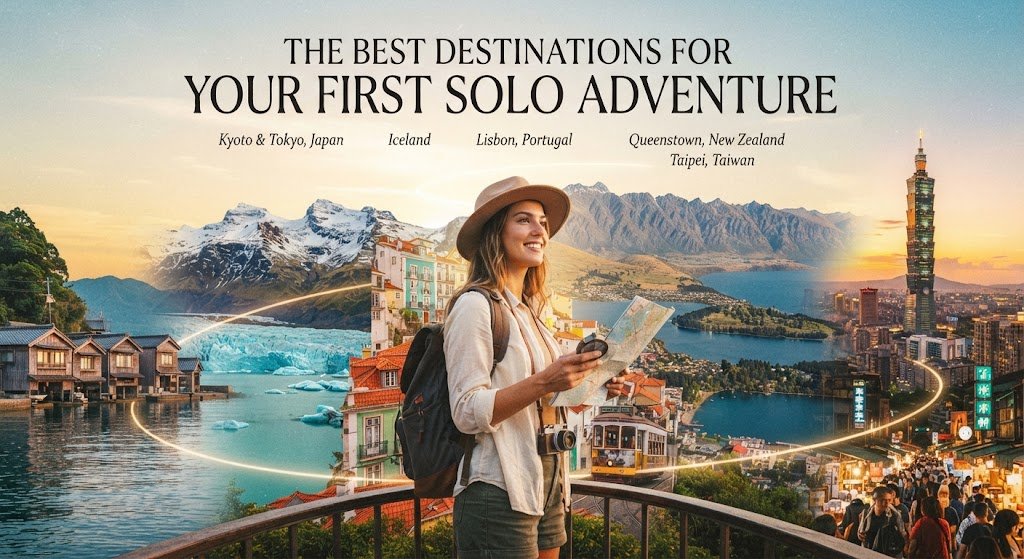
A first solo adventure can be one of the most valuable ways to discover both a new destination and your own travel style. Lisbon, Amsterdam, Edinburgh, Copenhagen, Vienna, Dublin, Barcelona, Reykjavik, Kyoto, and Vancouver each offer different combinations of culture, scenery, food, history, and independent activities. The right choice depends on what you want to experience and how comfortable you feel managing a trip on your own.
The most important part of your first solo journey is not how many attractions you visit or how many destinations you fit into one itinerary. Give yourself enough time to settle in, explore at your own pace, meet people when you want to, and enjoy quiet moments when you do not. With sensible preparation and a flexible plan, traveling alone can turn an ordinary vacation into an experience that gives you greater confidence for every adventure that follows.