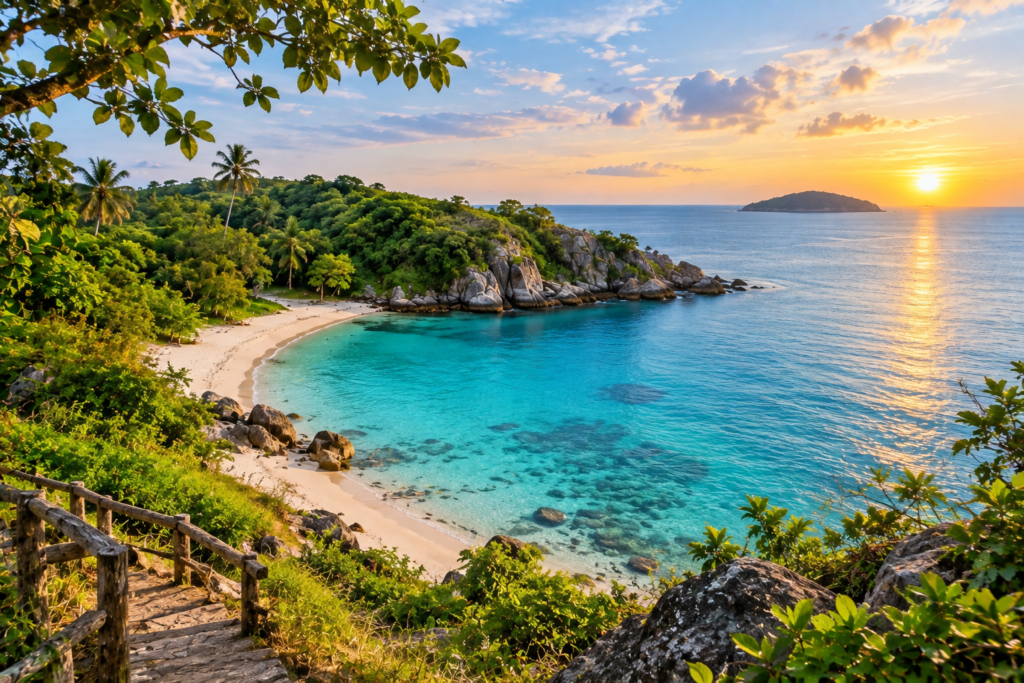

For many travelers, an island vacation means imagining turquoise water, soft beaches, fresh seafood, and long afternoons spent without a busy schedule. Yet some of the world’s most famous islands can become crowded during peak travel seasons, making it difficult to enjoy the quiet atmosphere people often expect from a relaxing escape.
Choosing a quieter island does not necessarily mean sacrificing comfort or memorable experiences. In fact, smaller or less heavily visited islands can offer something that famous resort destinations sometimes struggle to provide: space. Instead of spending your vacation moving through crowded streets and packed beaches, you can explore coastal paths, discover small restaurants, watch sunsets from quiet viewpoints, and spend more time enjoying the natural surroundings.
Why Choose a Quieter Island Vacation?
A peaceful island vacation gives travelers the opportunity to disconnect from the constant movement associated with busy tourist destinations. There may be fewer large attractions, fewer organized activities, and fewer crowds, but that can actually become part of the appeal. A quiet morning beside the sea, a walk through an almost empty village, or a relaxed lunch at a family-run restaurant can feel more rewarding than rushing between popular sightseeing spots.
There is also a practical advantage to visiting less crowded islands. Travelers often have more freedom when choosing where to sit, where to eat, and when to explore. Beaches may feel more spacious, roads can be less stressful, and local communities may provide a more relaxed environment.
What Makes an Island Truly Peaceful?
Not every small island is automatically quiet. Some compact destinations have become extremely popular and can receive large numbers of visitors during the summer. When looking for a peaceful escape, travelers should consider visitor numbers, transportation connections, accommodation capacity, and the popularity of the island’s main attractions.
Limited mass tourism: Islands without huge resort developments can sometimes provide a calmer atmosphere and a stronger connection to local life.
Natural landscapes: Cliffs, forests, quiet beaches, and walking trails can give travelers places to escape even when the main village is active.
Smaller communities: Traditional villages and fishing communities can offer a slower daily rhythm than large resort centers.
Flexible exploration: Islands where you can easily walk, cycle, or drive to quieter areas provide more opportunities to get away from busy locations.
A peaceful island is ultimately about the experience rather than a specific population number. An island can have visitors and still feel relaxing if travelers are spread across different areas. Similarly, a very small island can feel crowded when everyone gathers around one beach or village. this difference can help you choose a destination that genuinely matches your expectations.
Vis, Croatia: A Slower Side of the Adriatic
Vis is one of Croatia’s islands that can appeal to travelers searching for a more relaxed Adriatic experience. Its combination of rocky coastline, small settlements, vineyards, traditional architecture, and clear Mediterranean waters creates an atmosphere that feels distinctly different from larger resort destinations. The island offers opportunities for swimming, boating, and enjoying local food without requiring an exhausting sightseeing schedule.
One of the most enjoyable aspects of Vis is the chance to explore beyond a single beach. Travelers can visit villages, discover small coves, enjoy seafood, and take scenic drives through the island’s interior. The destination works particularly well for visitors who would rather spend a day exploring naturally than filling every hour with organized excursions.
Île de Ré, France: Cycling Through a Peaceful Coastal Landscape
Île de Ré offers a different type of island escape, combining Atlantic beaches, salt marshes, villages, cycling routes, and traditional architecture. Rather than being defined only by swimming and sunbathing, the island encourages travelers to explore at a slower pace. Cycling is particularly appealing because it allows visitors to move between villages, beaches, and natural areas without depending entirely on a car.
The island’s charm comes from its understated character. Whitewashed buildings, narrow lanes, small markets, coastal scenery, and local food create a relaxed environment that can appeal to couples, families, and independent travelers. Visitors who enjoy active vacations can spend the day cycling, while those who prefer to rest can choose a quiet beach or outdoor café.
Gozo, Malta: Rural Scenery and Historic Villages
Gozo is a strong option for travelers who want Mediterranean scenery combined with history and a quieter rural atmosphere. Although it is well known among travelers familiar with Malta, many areas of the island retain a slower character, with villages, countryside, coastal cliffs, and traditional buildings providing plenty of opportunities for exploration.
Gozo is particularly suitable for travelers who want variety without moving between multiple destinations. A single trip can include coastal walks, historic sites, swimming areas, village restaurants, and countryside views. Planning your days around different parts of the island rather than concentrating on one popular location can help you discover a calmer side of the destination.
Elba, Italy: Beaches, Mountains, and Italian Island Life
Elba is located off the coast of Tuscany and offers a combination of beaches, hills, forests, small towns, and Mediterranean scenery. The island can be a good choice for travelers who want more variety than a traditional beach vacation provides. You can spend part of the day beside the water and later explore a mountain road, historic site, or village.
Food is another important part of the Elba experience. Local restaurants and cafés provide opportunities to enjoy regional dishes while taking a break from sightseeing. Travelers can also choose accommodation away from the busiest coastal areas if their main priority is peace and quiet. A little planning can make it possible to enjoy both convenience and a more relaxed environment.
Menorca, Spain: Mediterranean Beauty Without Constant Activity
Menorca is part of Spain’s Balearic Islands and is known for its beaches, turquoise coves, countryside, and coastal scenery. Compared with some of the more nightlife-focused destinations in the region, Menorca can appeal to travelers who prefer nature, swimming, walking, and relaxed evenings. Its coastline offers numerous scenic locations where visitors can enjoy the Mediterranean environment without needing an elaborate itinerary.
The island is also well suited to travelers who enjoy exploring independently. Renting a vehicle can provide access to different parts of the island, while walking routes allow visitors to discover sections of the coast at a slower pace. Choosing accommodation outside the busiest resort zones can further improve the experience for travelers who want a peaceful base.
How to Enjoy an Island Without Getting Caught in the Crowds
A peaceful destination can still become busy if you visit its most popular locations at the same time as everyone else. One of the simplest ways to avoid this is to change your daily schedule. Early mornings are often useful for visiting beaches and viewpoints, while late afternoons can provide a more relaxed atmosphere after day-trippers begin leaving.
- Start early: Visit popular beaches or viewpoints in the morning when the surroundings may be calmer.
- Explore secondary villages: Smaller communities can provide a different perspective from the main tourist center.
- Choose weekdays: If your schedule allows, weekday visits can sometimes offer a quieter experience than weekends.
- Stay outside the busiest zone: A peaceful accommodation location can make your entire trip feel less hectic.
- Travel beyond the main attraction: Look for walking trails, small coves, local markets, and countryside areas.
- Avoid overplanning: Leave open periods in your schedule so you can discover quieter places naturally.
The most important idea is to avoid concentrating your entire trip around one famous attraction. If an island has one particularly popular beach, for example, you do not have to spend every afternoon there. Explore different sections of the coastline, ask accommodation hosts about quieter areas, and give yourself enough time to discover alternatives.
What to Look for When Booking Accommodation
Accommodation can have a surprisingly large influence on how peaceful an island vacation feels. Two hotels on the same island can provide completely different experiences depending on their location. A property near a busy nightlife area may be convenient for restaurants and entertainment but less suitable for someone who wants quiet evenings.
Look beyond the headline location: Check exactly where the property sits rather than assuming that the island itself will be quiet.
Read recent guest comments: Reviews can reveal information about noise, nearby traffic, construction, and the general atmosphere.
Consider transport: A remote location may be peaceful but inconvenient if there are few transportation options.
Check nearby services: Restaurants, grocery stores, pharmacies, and beaches may be important depending on the length of your stay.
Choosing the right accommodation does not mean finding the most isolated place possible. For many travelers, the ideal option is a quiet location that remains reasonably close to useful services. This balance can provide privacy and relaxation without creating unnecessary transportation problems.
When Is the Best Time to Visit a Peaceful Island?
The best time depends on what you want from the trip. Summer usually provides the warmest conditions for swimming and outdoor activities, but it can also bring the highest visitor numbers. Shoulder seasons can offer a useful compromise, with potentially milder weather, fewer crowds, and a calmer atmosphere.
Travelers should also research local conditions before choosing dates. Some island businesses operate seasonally, meaning restaurants, tours, or accommodation options can become limited outside the main travel period. A quiet destination is only enjoyable when the services you actually need are available, so check operating schedules before finalizing your plans.
How to Spend a Relaxing Day on a Quiet Island
One of the best things about an island escape is that you do not need to create an ambitious itinerary. Start with a slow breakfast, choose one coastal area to explore, and allow yourself enough time to stop whenever you find a scenic viewpoint or interesting village. The absence of a strict schedule can make the day feel considerably more relaxing.
Later, you might enjoy a local lunch, return to the water for an afternoon swim, and finish the day watching the sunset. Travelers often underestimate how enjoyable a simple day can be when the environment itself is beautiful. A quiet island gives you permission to slow down rather than constantly search for the next attraction.
Things to Pack for a Peaceful Island Trip
Packing for an island is about preparing for both outdoor activities and changing conditions. Even when the primary goal is relaxation, travelers may end up walking along rocky paths, visiting villages, taking boat trips, or exploring areas away from major roads. Comfortable and versatile clothing can therefore be more useful than packing specifically for beach time.
- Comfortable walking shoes: Useful for coastal paths, historic streets, and uneven terrain.
- Light layers: Weather can change, particularly around coastal and elevated areas.
- Sun protection: Sunglasses, sunscreen, and a hat can be valuable during long outdoor days.
- Reusable water bottle: Helpful when exploring away from shops and restaurants.
- Small day bag: Convenient for carrying essentials during walks and excursions.
- Swimwear: Even travelers who do not plan a full beach day may discover an inviting swimming spot.
Avoid packing more than you need simply because you are traveling to an island. Many travelers find that lightweight luggage makes transportation easier, especially when ferries, small boats, buses, or walking routes are involved. A practical packing list can make the journey smoother from the moment you leave home.
How to Respect Quiet Island Communities
Peaceful destinations are often attractive precisely because local communities have preserved their traditional character. Travelers should remember that these are not simply vacation backgrounds; people live and work there throughout the year. Being considerate around homes, local businesses, religious buildings, and community spaces helps protect the atmosphere that visitors come to enjoy.
Simple behavior can make a difference. Keep noise levels reasonable, follow local rules, avoid entering private property for photographs, and support locally owned restaurants and businesses when possible. Responsible tourism allows visitors to enjoy beautiful destinations while helping local communities benefit from tourism without losing their everyday character.
Five Mistakes to Avoid on a Peaceful Island Vacation
1. Assuming every beach will be empty: Even quiet islands can have popular beaches that become crowded during peak hours.
2. Booking accommodation without checking the location: A peaceful island can still have noisy or heavily developed neighborhoods.
3. Creating an overly packed itinerary: Constant movement defeats the purpose of choosing a relaxing destination.
4. Ignoring transportation schedules: Ferries and local services may operate on limited schedules, especially outside peak periods.
5. Visiting only the most photographed locations: Famous viewpoints are worth seeing, but quieter areas often provide more memorable experiences.
Avoiding these mistakes allows you to enjoy the island according to your own priorities. The goal is not to avoid every other traveler but to create enough space in your schedule and surroundings to actually experience the destination.
Frequently Asked Questions
1. What is the best type of island for a peaceful vacation?
Islands with smaller communities, protected natural areas, fewer large resorts, and multiple beaches or walking routes can be particularly suitable. However, the actual experience depends heavily on the season and where you stay.
2. Is it better to visit a quiet island during summer or spring?
Summer usually provides warmer conditions, but spring and other shoulder-season periods may offer a calmer atmosphere. Travelers should compare weather, business opening dates, transportation, and expected visitor levels before deciding.
3. Should I rent a car on an island?
It depends on the destination. A rental car can be useful when attractions and beaches are spread across the island, while compact destinations with reliable public transportation may not require one.
4. How can I avoid crowded beaches?
Visit popular beaches early, travel outside peak periods, and research less-publicized coastal areas. Staying near several different beaches can also give you more flexibility if one location becomes busy.
5. Are quiet islands suitable for families?
Yes. Many peaceful islands can work well for families because they offer beaches, nature, outdoor activities, and slower schedules. Families should check beach conditions, transportation, medical facilities, and accommodation suitability before booking.
Conclusion
A peaceful island vacation does not require complete isolation or an expensive private resort. Destinations such as Vis, Île de Ré, Gozo, Elba, and Menorca demonstrate that travelers can find beautiful coastlines, local culture, outdoor activities, and slower days without making the entire trip about crowded tourist attractions. The key is choosing the right season, accommodation area, and daily rhythm.
Instead of trying to see everything, give yourself permission to enjoy less. Spend time walking, discover local food, find a quiet swimming spot, watch the sunset, and allow the island to shape your schedule. For travelers who want their next vacation to feel genuinely restorative rather than exhausting, choosing a destination with room to breathe can make the entire journey more memorable.